— 2min read
🟣 TOOOLS #17: Animos, Human Web Museum, Gradient Lab, Transitions.dev, Decoy Font
|
|

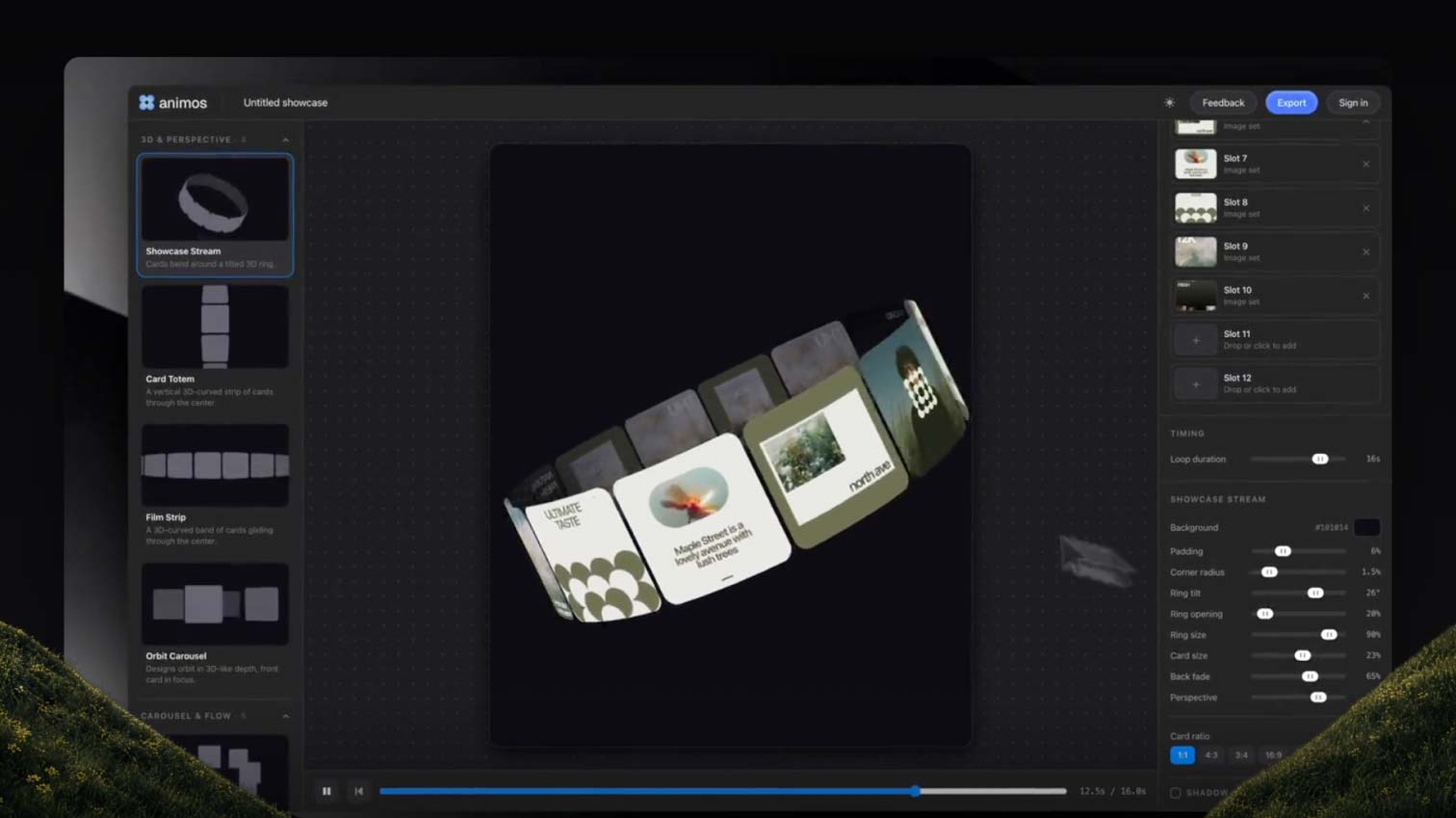 |
| Animos puts your work in motion without making you open a real animation app. Drop your screens onto one of 25 templates in the browser, adjust the timing, and export an MP4 or WebM. It is built for the moment a flat portfolio shot or a case study needs to move a little, and you would rather not lose an afternoon in After Effects to get there. |
|
|

 | A hybrid physical and digital museum celebrating the history of the human-built web. |
 | A free, no-signup gradient tool with 20+ animated shader modes and 4K export to image or video, no watermarks. |
 | A library of ready-made UI transitions you can lift straight into a project: modal opens, icon swaps, button states, the small motions that make an interface feel considered. |
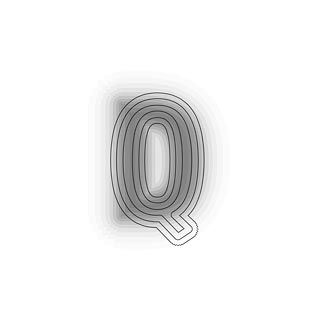 | A free Mixfont experiment that stays readable to people but throws AI off the scent, pairing every letter with a decoy so models misread the text. |
|
|

| UX COLLECTIVE 📖 ARTICLE Aurélie Radom argues that taste is not something you can crowdsource, A/B test, or hand to a model. It comes from years of looking closely and building your own reference library. A good case for protecting your eye while everyone races to automate. |
| SLACK DESIGN 📖 ARTICLE We Didn't Teach Our Designers AI, We Built a Place to Learn It Together Instead of rolling out AI training from the top down, Slack's design team built a space where not knowing was the point and people learned from each other. Worth stealing if your team is quietly figuring this out too. |
| MY DESIGN SIDE 📖 ARTICLE The argument: designers slid from making things into running workshops and strategy decks, and AI is now calling the bluff on anyone who quietly stopped designing. Provocative title, but the point lands, and it is worth thinking about. |
|
|

| Claude Fable 5 is now part of every Max and Team Premium plan at half the usage limits |
|
|

| A CASE FOR PERSONALITY "The more everything starts to look like the same AI slop, the more a little personality goes a long way. I stop for the stuff that feels handmade." |
Greg Isenberg says when everything is generated, the slightly-off, obviously-human choice is the thing that makes someone stop and look. A fair gut-check the next time a design feels a little too generic. |
More Newsletter Issues
All issues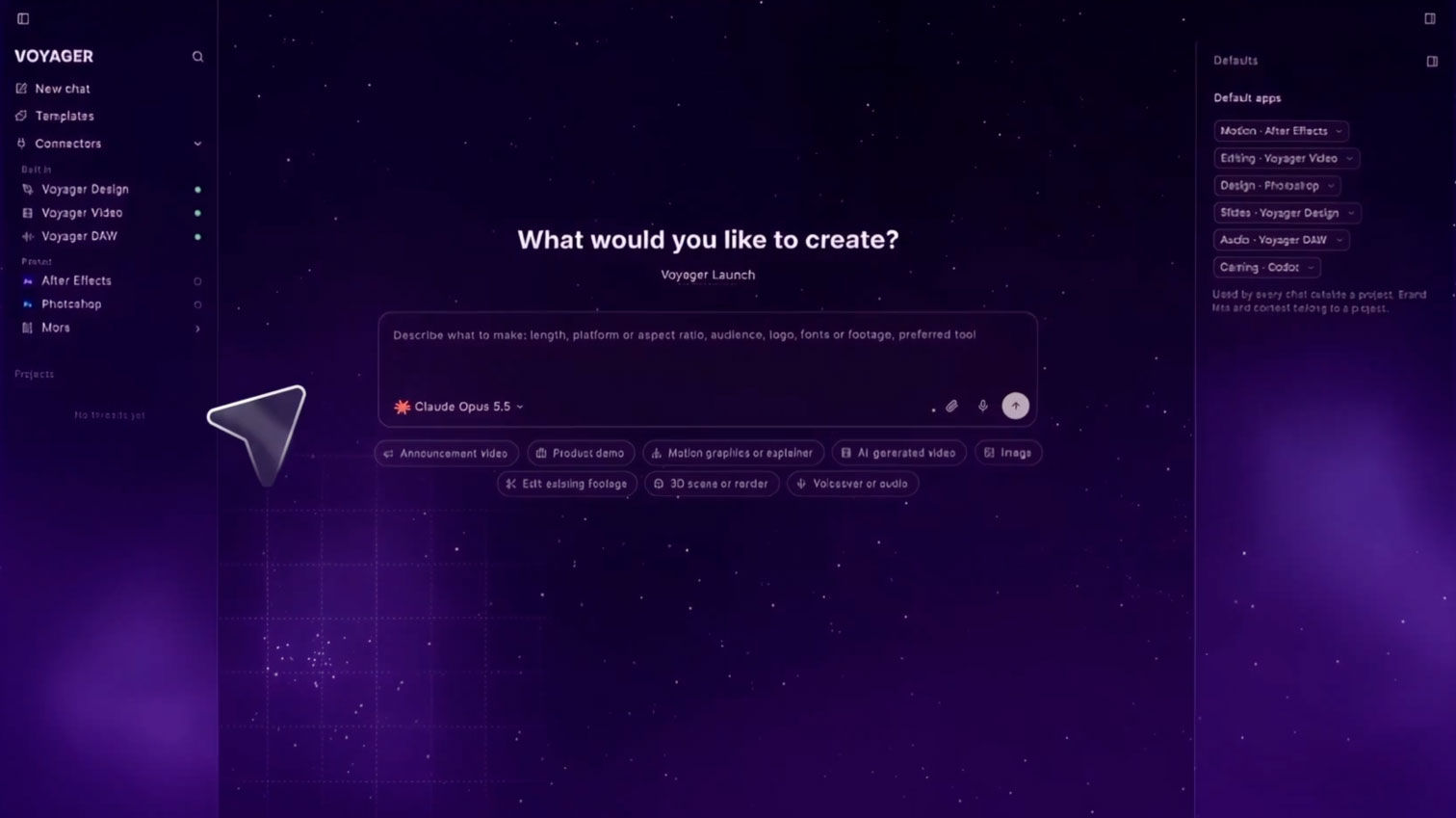
TOOOLS #29: Voyager, Energy Icons, Leadership Folios, Evil Buttons, Prompt Motion
October 13, 2026— 2min read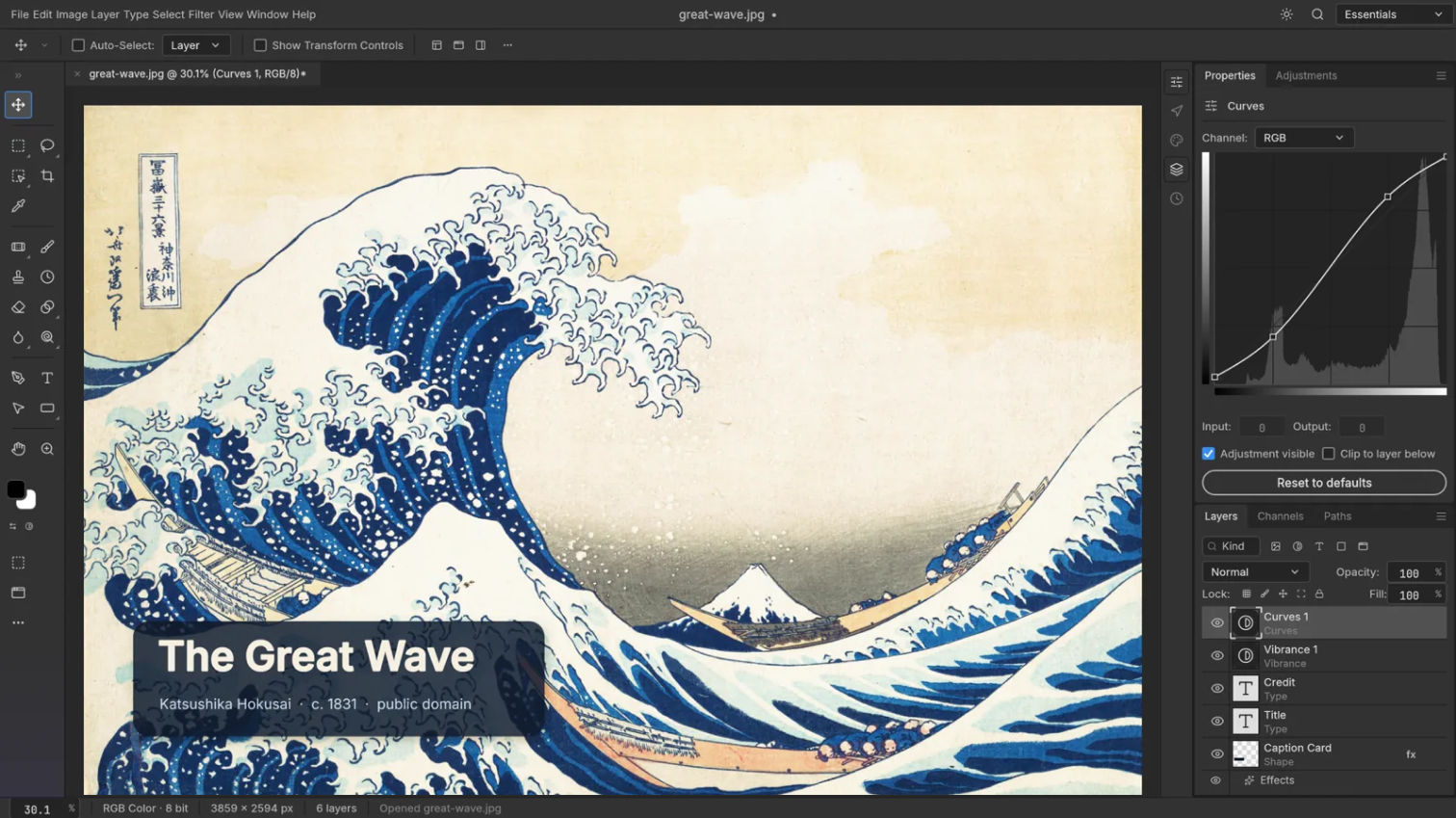
TOOOLS #28: PhotoCraft, Podie, Swash, Timeful, HyperFrames Studio
October 6, 2026— 2min read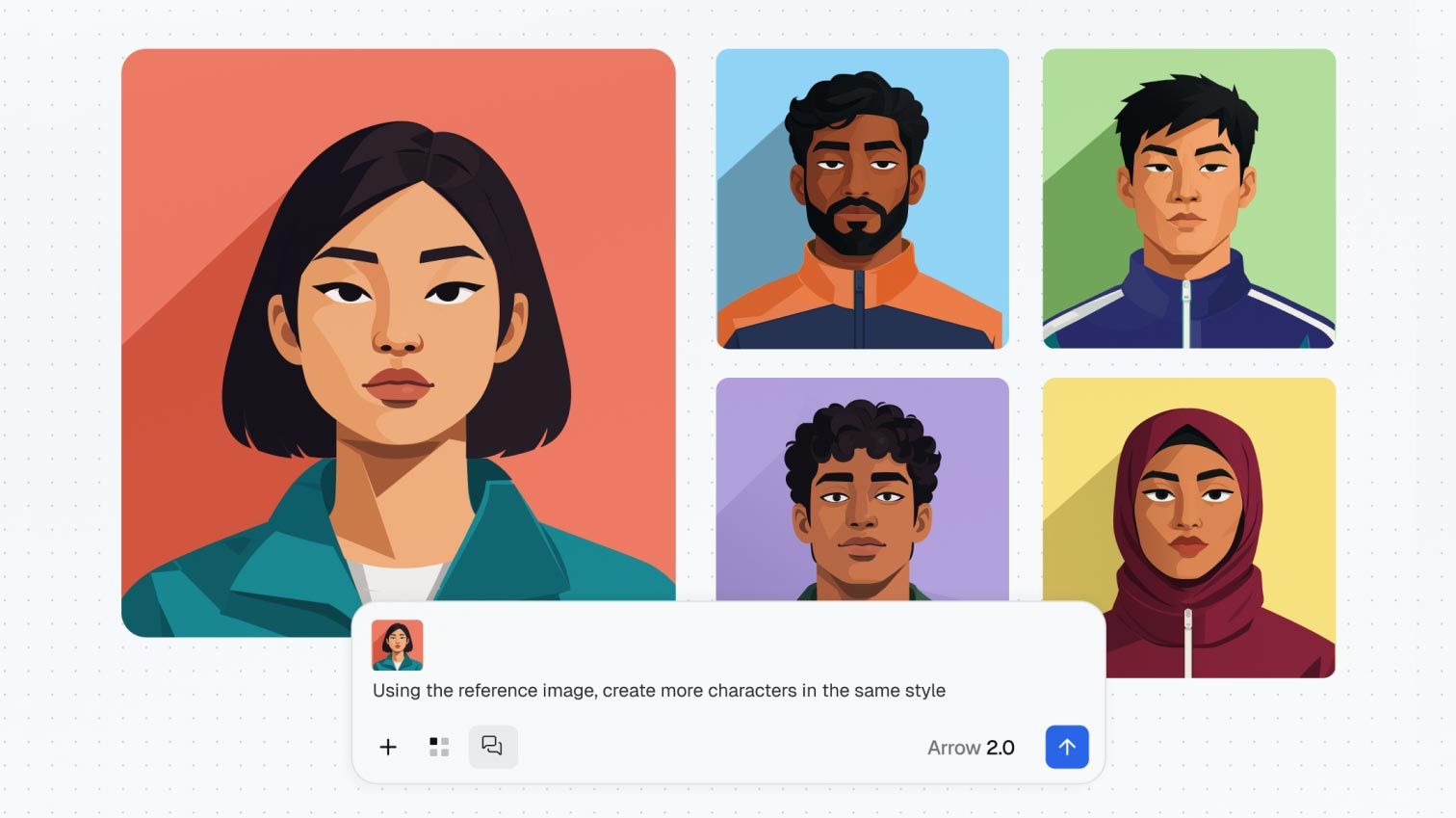
TOOOLS #27: QuiverAI, Designeer, Squints, Atlas, Lightmeter
September 29, 2026— 2min read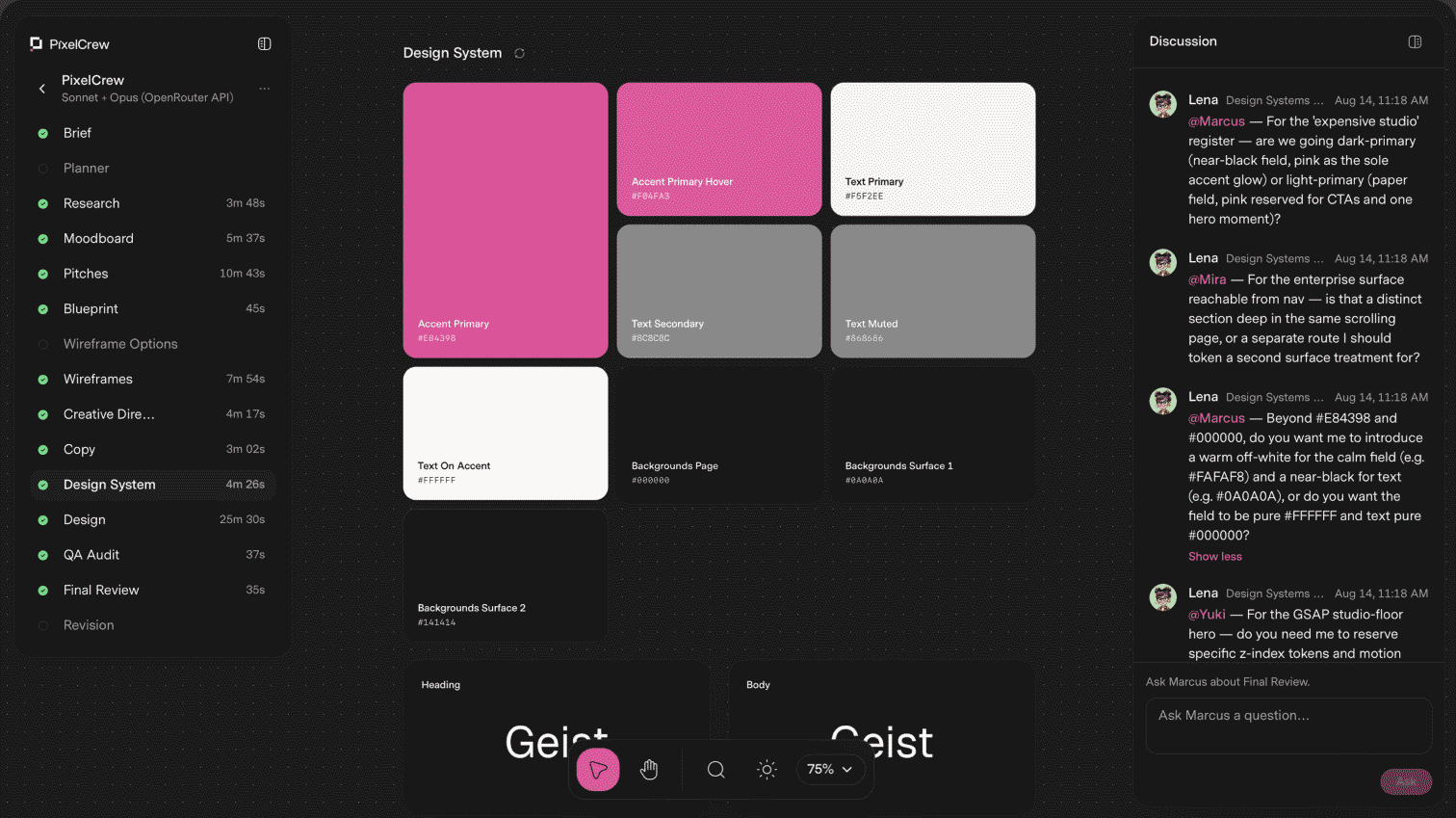
TOOOLS #26: PixelCrew, Bencho, Save.design, Powermove, libraries.dev
September 22, 2026— 2min read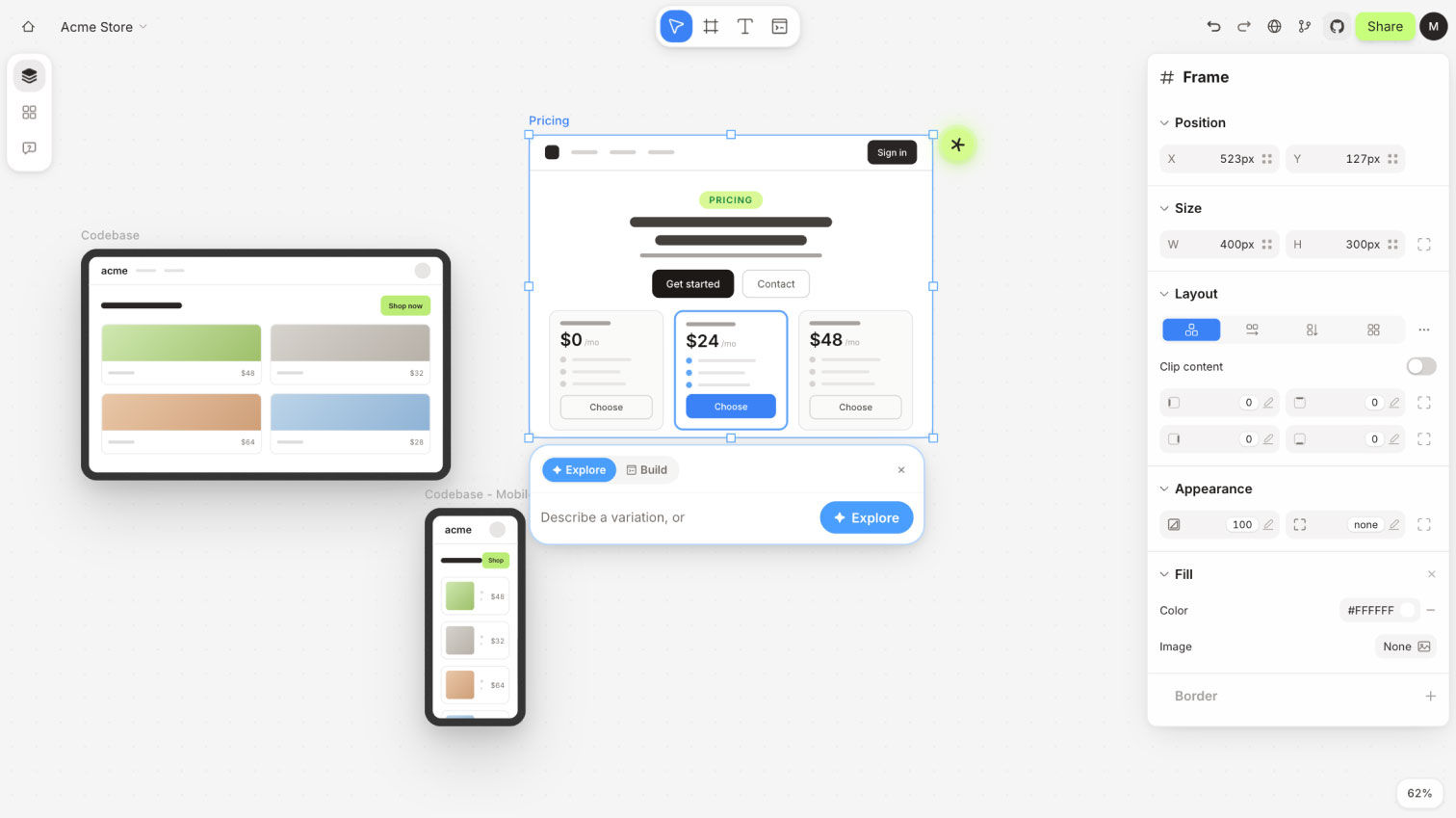
TOOOLS #25: Modeinspect, Brilliant, Hover, VibePrompts, Sliick
September 15, 2026— 2min read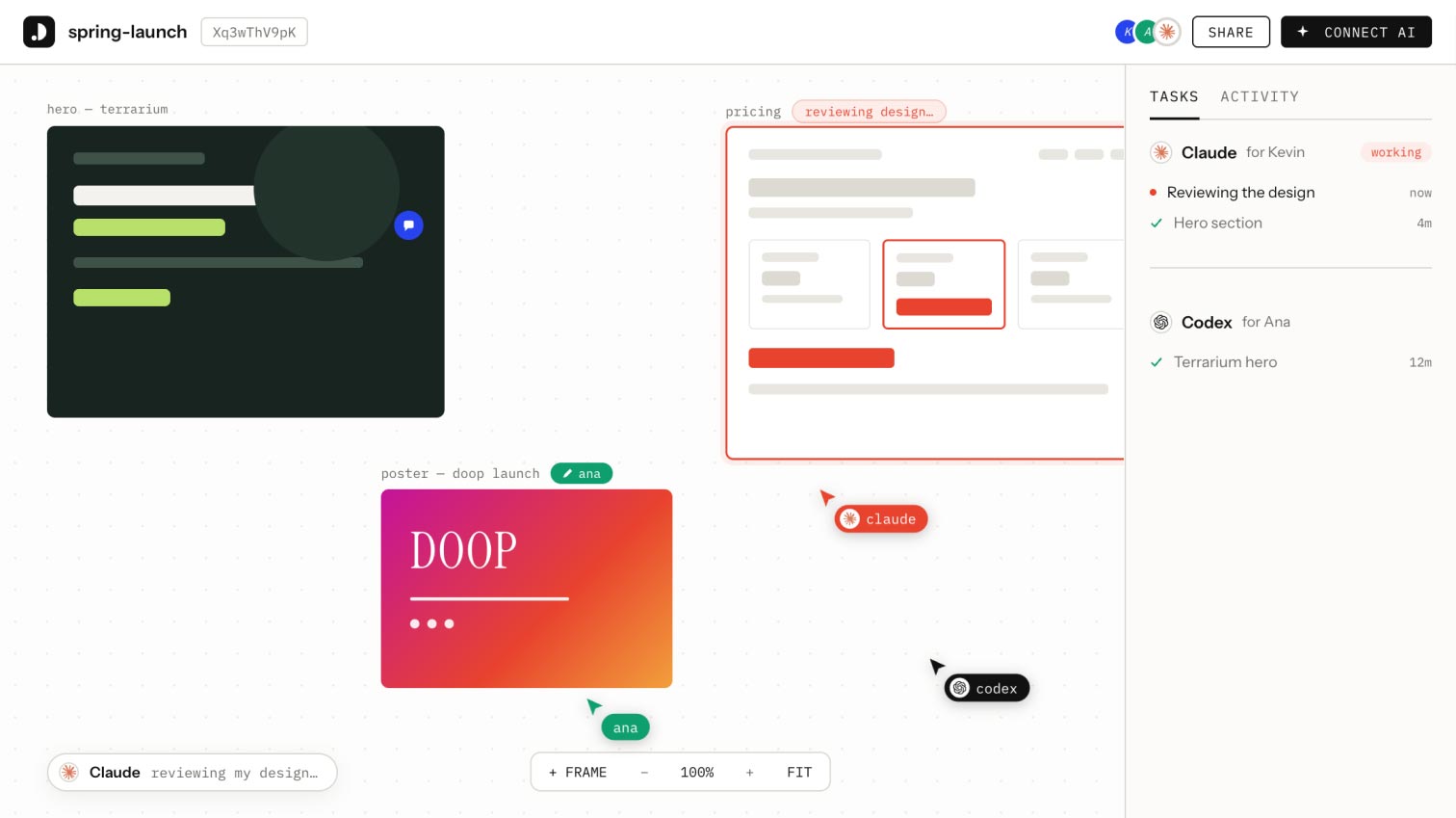
TOOOLS #24: Doop, Causal, Pryzm, Doodle Icons, Neurath X
September 8, 2026— 2min read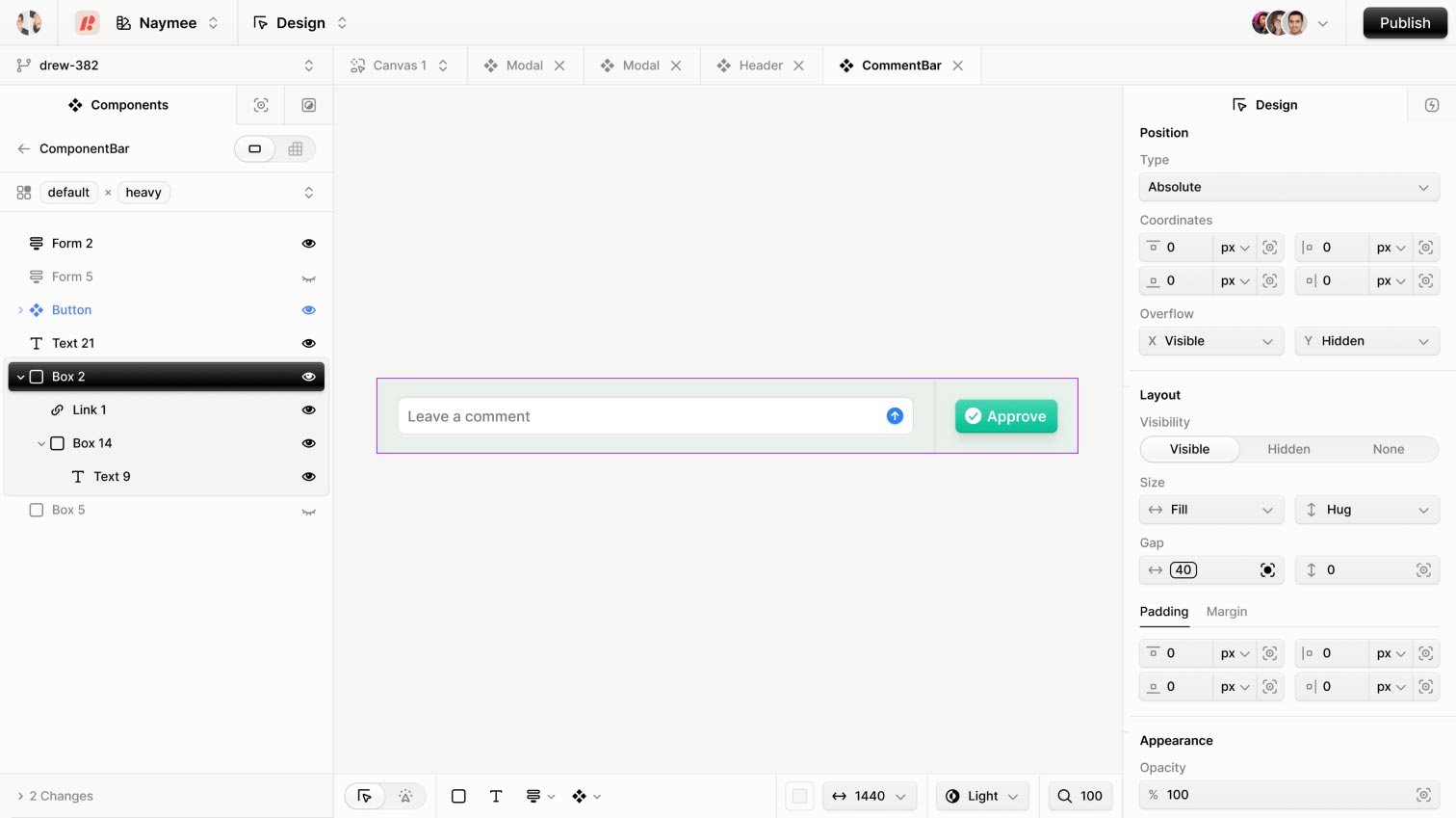
TOOOLS #23: Zoah, Book of Shapes, Beautiful UI, All In Frame, vgpu
September 1, 2026— 2min read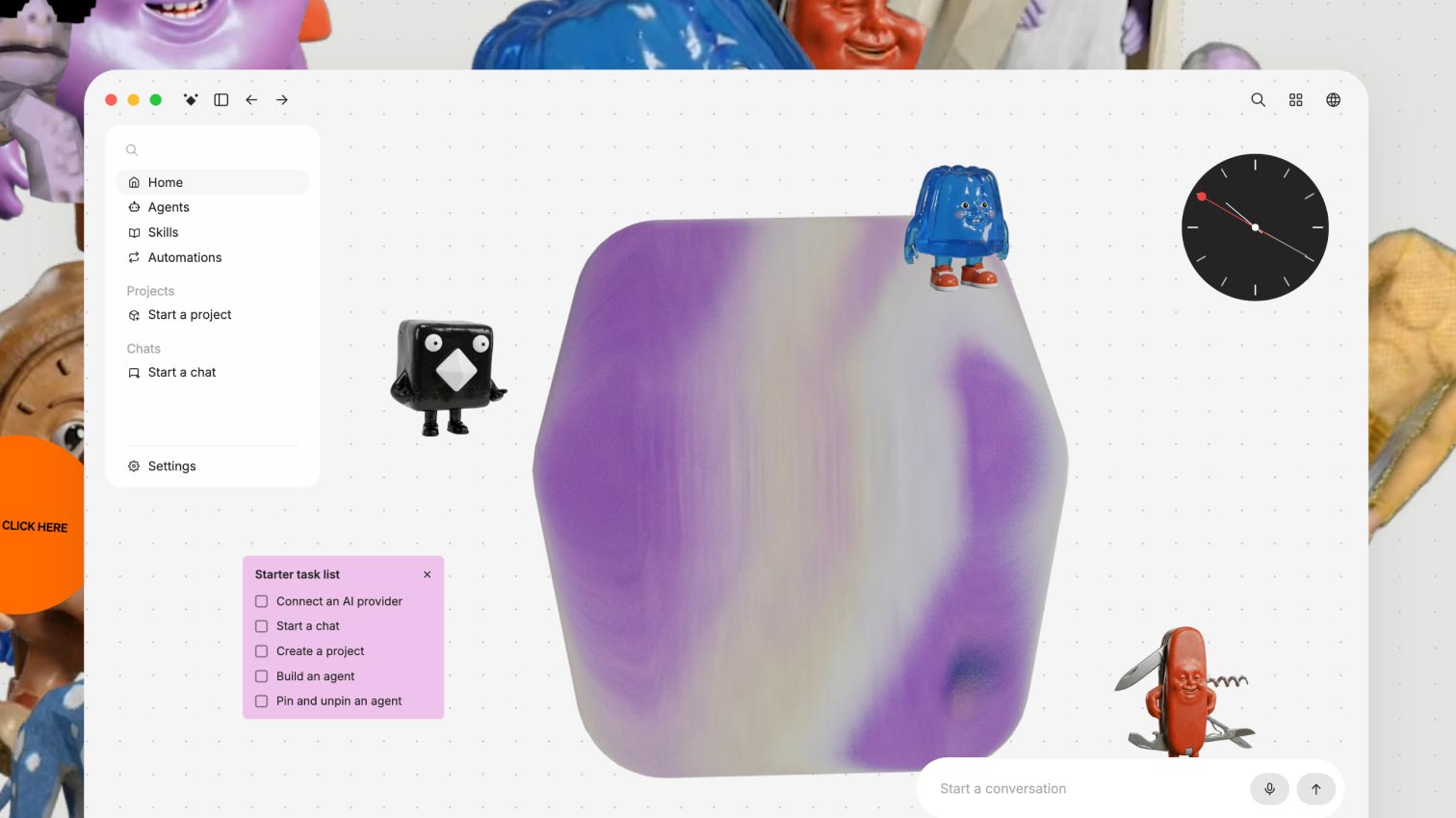
TOOOLS #22: Berd, Morphicons, Watermelon UI, Tegaki, Balsa UI
August 25, 2026— 2min read
TOOOLS #21: Airship, Openmotion, Kitbitz, Muse, Gooey
August 18, 2026— 2min read
TOOOLS #20: Capacity Desktop, Design / AI Workflows, ShaderPad, Dither it, Remix
August 11, 2026— 2min read