— 2min read
🟣 TOOOLS #23: Zoah, Book of Shapes, Beautiful UI, All In Frame, vgpu
|
|

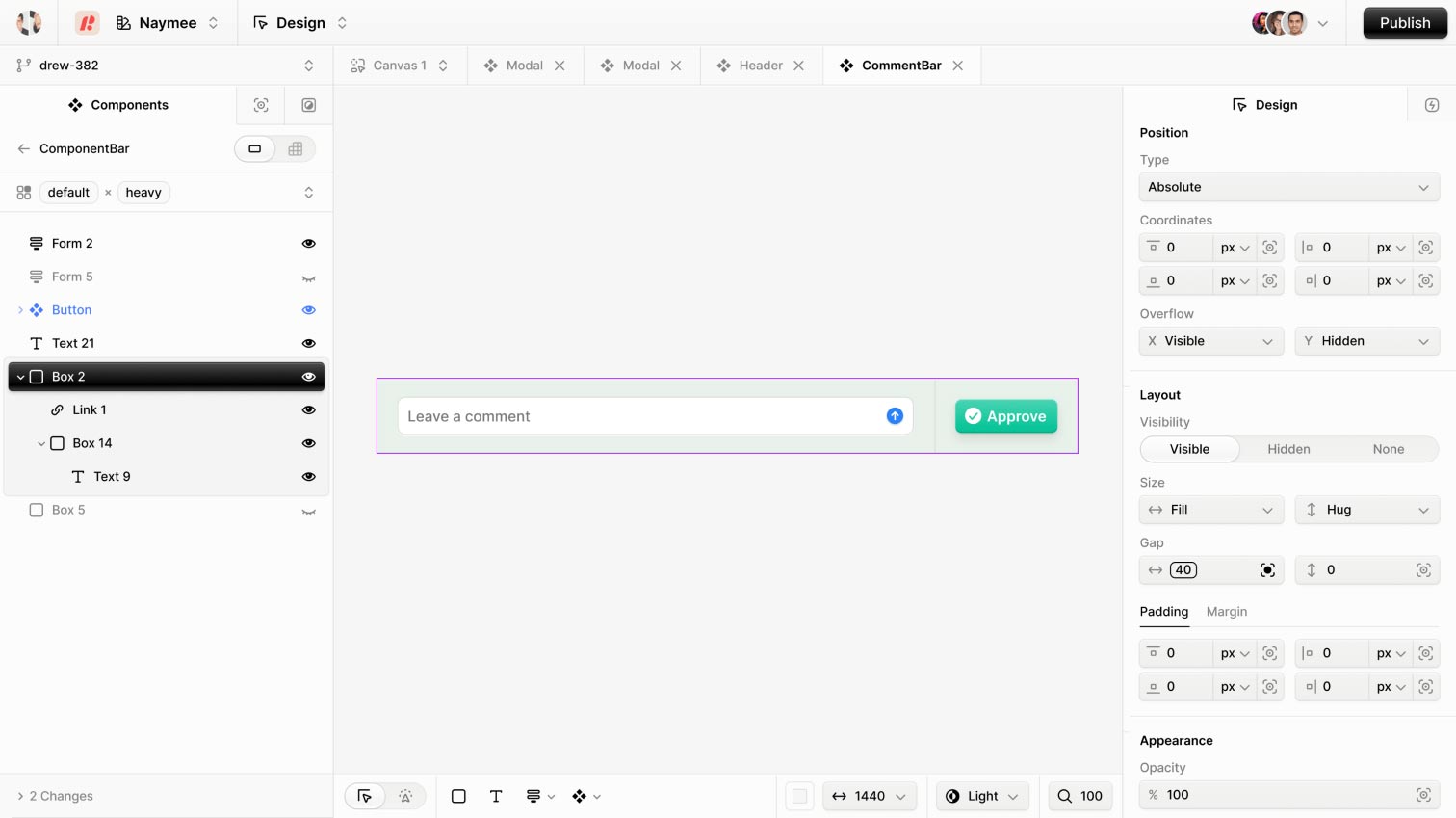 |
| Zoah is a platform where the canvas is the single source of truth, so the component you design there is the component that ships. Draw it, branch it, compare versions and merge, all on the canvas, then drop the finished piece into the product, with an AI on board that knows your designs. Early access only for now, and the waitlist already lists Vercel, Stripe and Shopify, so file it under tool directions worth watching. |
|
|

 | A collection of minimal, generative SVG patterns by Nikolaj Sokolowski, each one adjustable in the browser and downloadable for your own layouts. |
 | A small, open-source set of extremely crafted interface pieces for AI products: chat, thinking states, approval cards and the other moments where an agent has to talk to a person. |
 | A free stock photography collection led by disabled creatives, made so marketing and product work can tell more authentic stories about disability. |
 | An open-source toolkit from Vercel Labs for GPU-powered graphics that AI agents can drive directly, so shaders and generative visuals can be prompted into being and run right in the browser. |
|
|

| BUZZ USBORNE 📖 ARTICLE Five principles for bringing AI into design work without outsourcing the judgment: the why matters more than the how, stay in the unknown, earn the right to slow down, humanity balances logic, beware of normalizing complexity. Short enough to pin on a team wall, and the last one is the one most teams skip: AI lowers the cost of making things, not the cost of maintaining them. |
| UX COLLECTIVE 📖 ARTICLE Jennifer L. Bowie flips the usual question: not whether AI replaces researchers, but who keeps research honest once everyone on the team can run it. Her answer puts the researcher in charge of designing and governing the system, with sourcing, confidence ratings and escalation built into the tools rather than bolted on as a review step. |
| NN/G 📖 ARTICLE The Custodial Era of UX: Cleaning Up After AI Anna Kaley and Raluca Budiu on what happens when features get built faster than anyone can evaluate them: the UX work shifts from the blank page to deciding what from AI to keep and what has to change. Their way out of janitor mode is triage, faster evaluation, and teaching teams the difference between what can be built and what should be. |
|
|

|
|

| A REMINDER WORTH KEEPING "New tools feel like magic. So did light switches and recorded music." |
In Looking Backward, his 1888 novel set in the year 2000, Edward Bellamy pictured music in every home, perfect in quality and unlimited in quantity, and called it the limit of human felicity. Found in Ordinary Abundance, an evening walk through an apartment full of things that were once astonishing. |
More Newsletter Issues
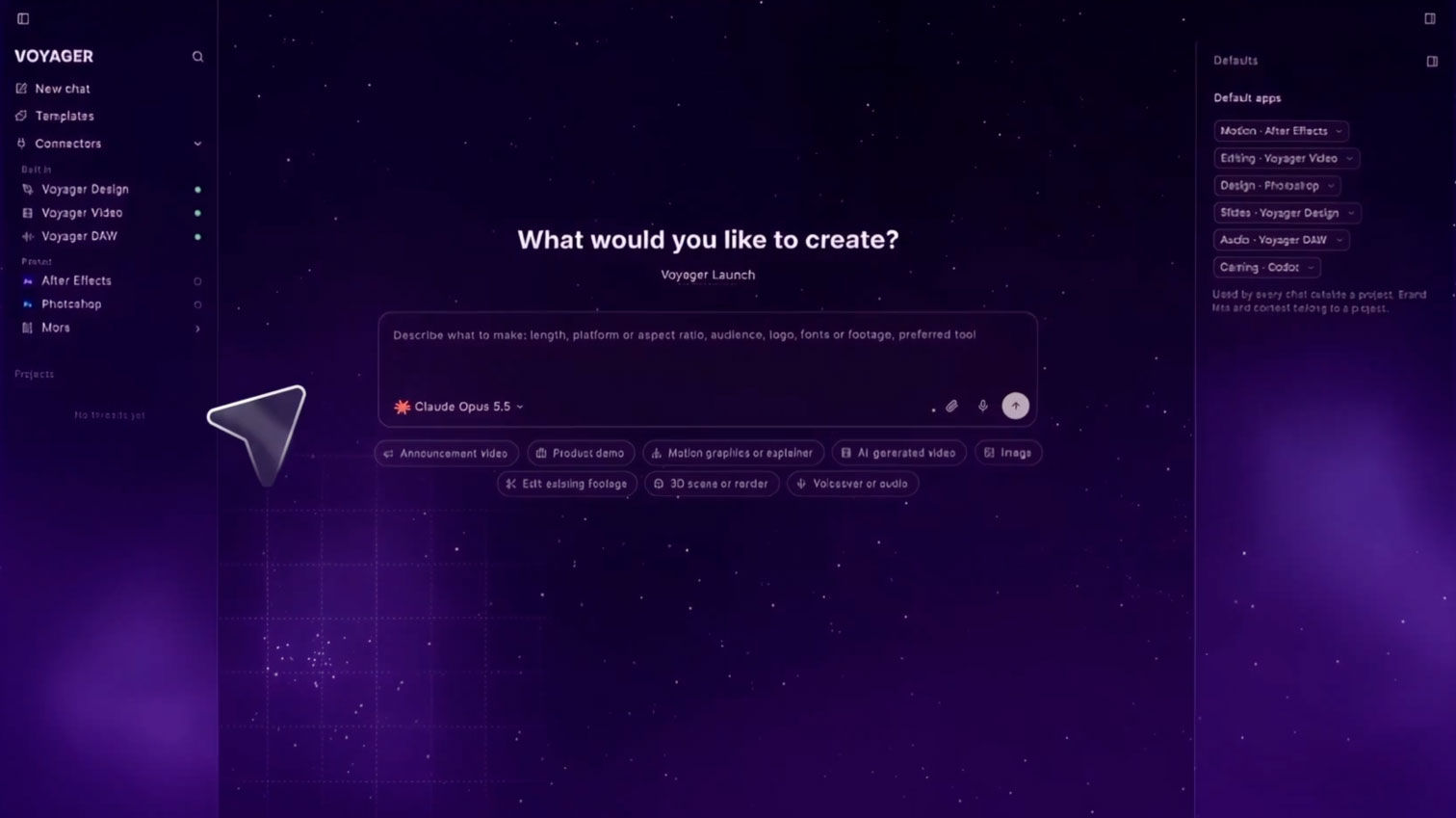
TOOOLS #29: Voyager, Energy Icons, Leadership Folios, Evil Buttons, Prompt Motion
October 13, 2026— 2min read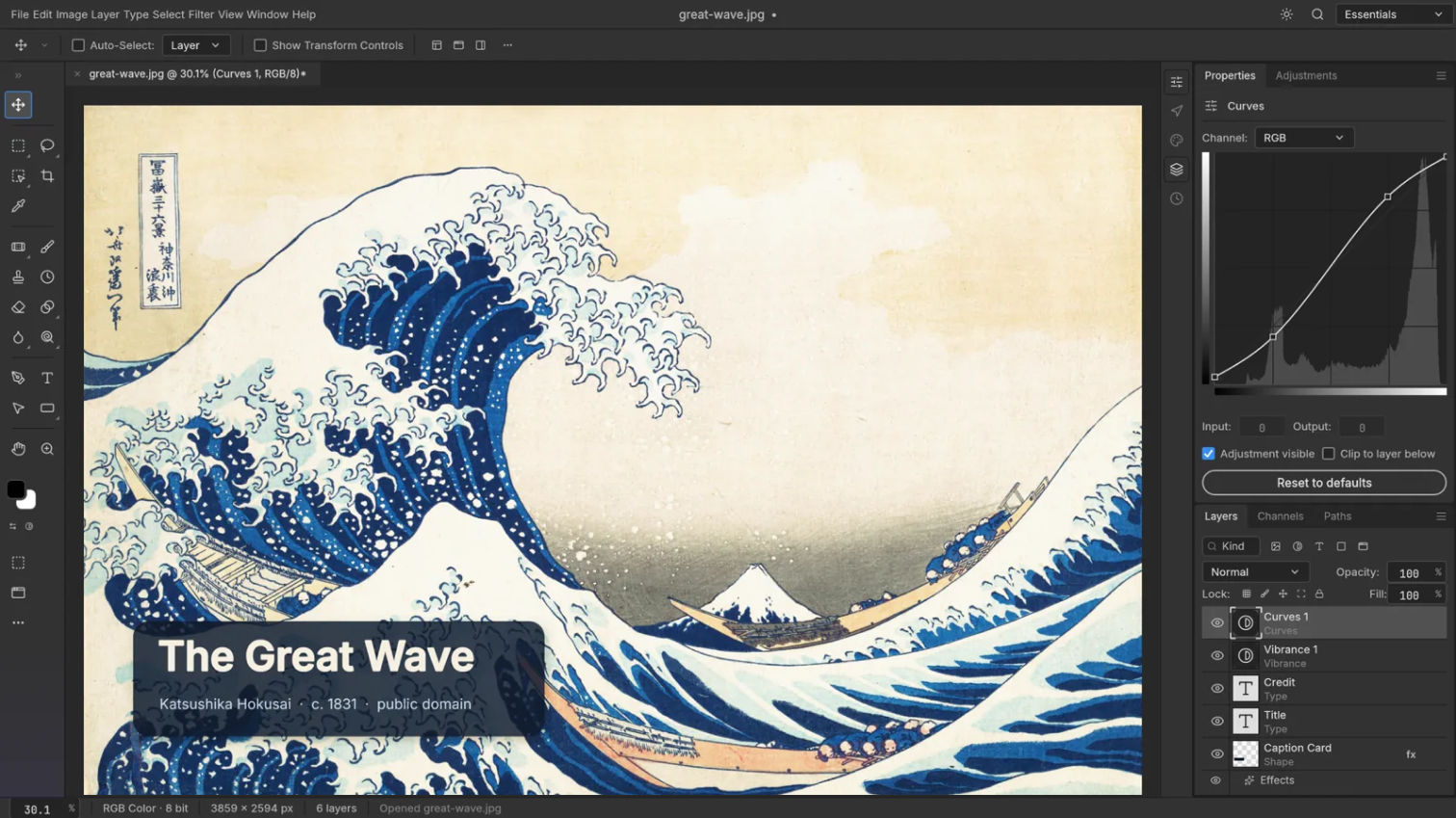
TOOOLS #28: PhotoCraft, Podie, Swash, Timeful, HyperFrames Studio
October 6, 2026— 2min read
TOOOLS #27: QuiverAI, Designeer, Squints, Atlas, Lightmeter
September 29, 2026— 2min read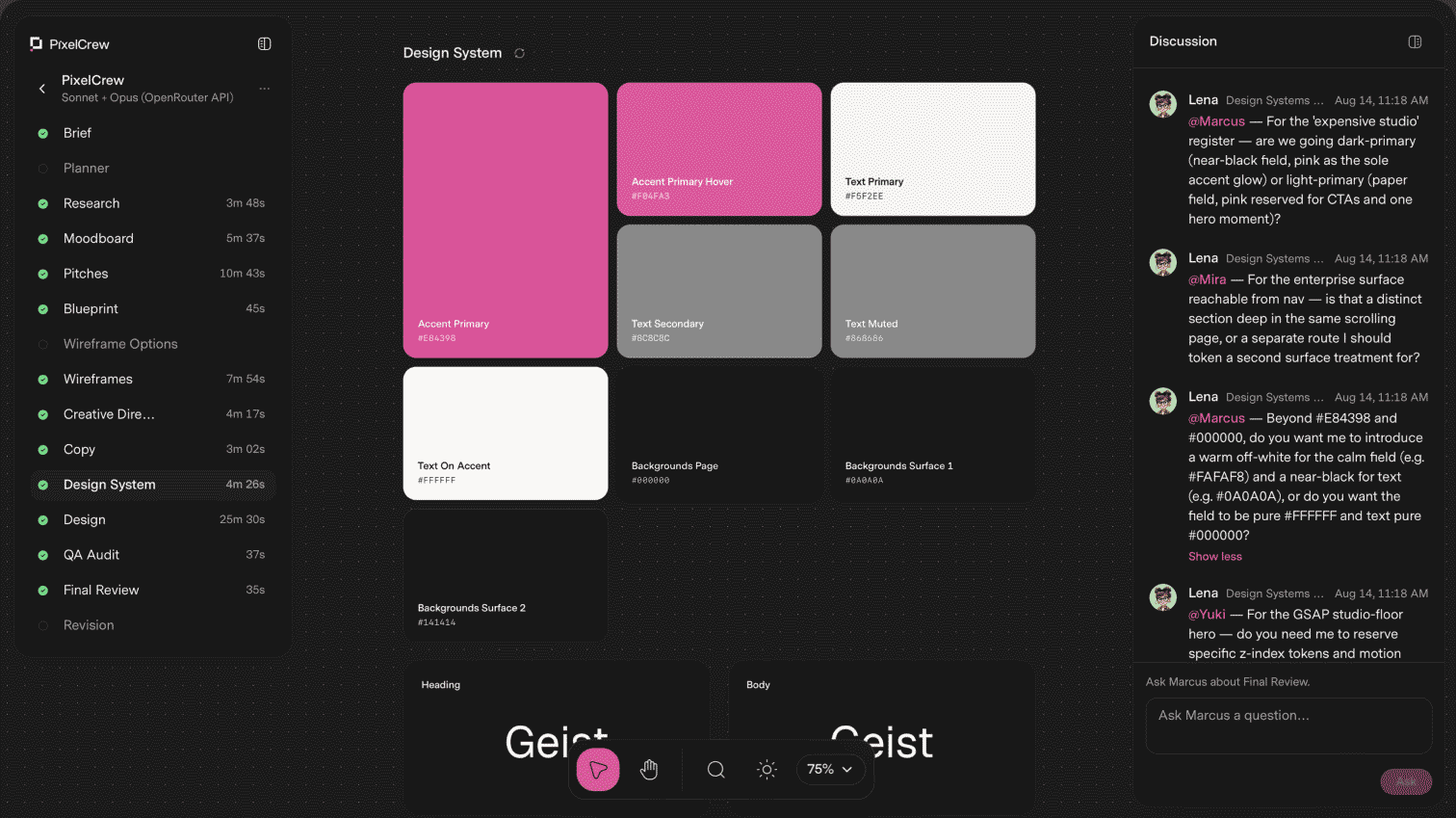
TOOOLS #26: PixelCrew, Bencho, Save.design, Powermove, libraries.dev
September 22, 2026— 2min read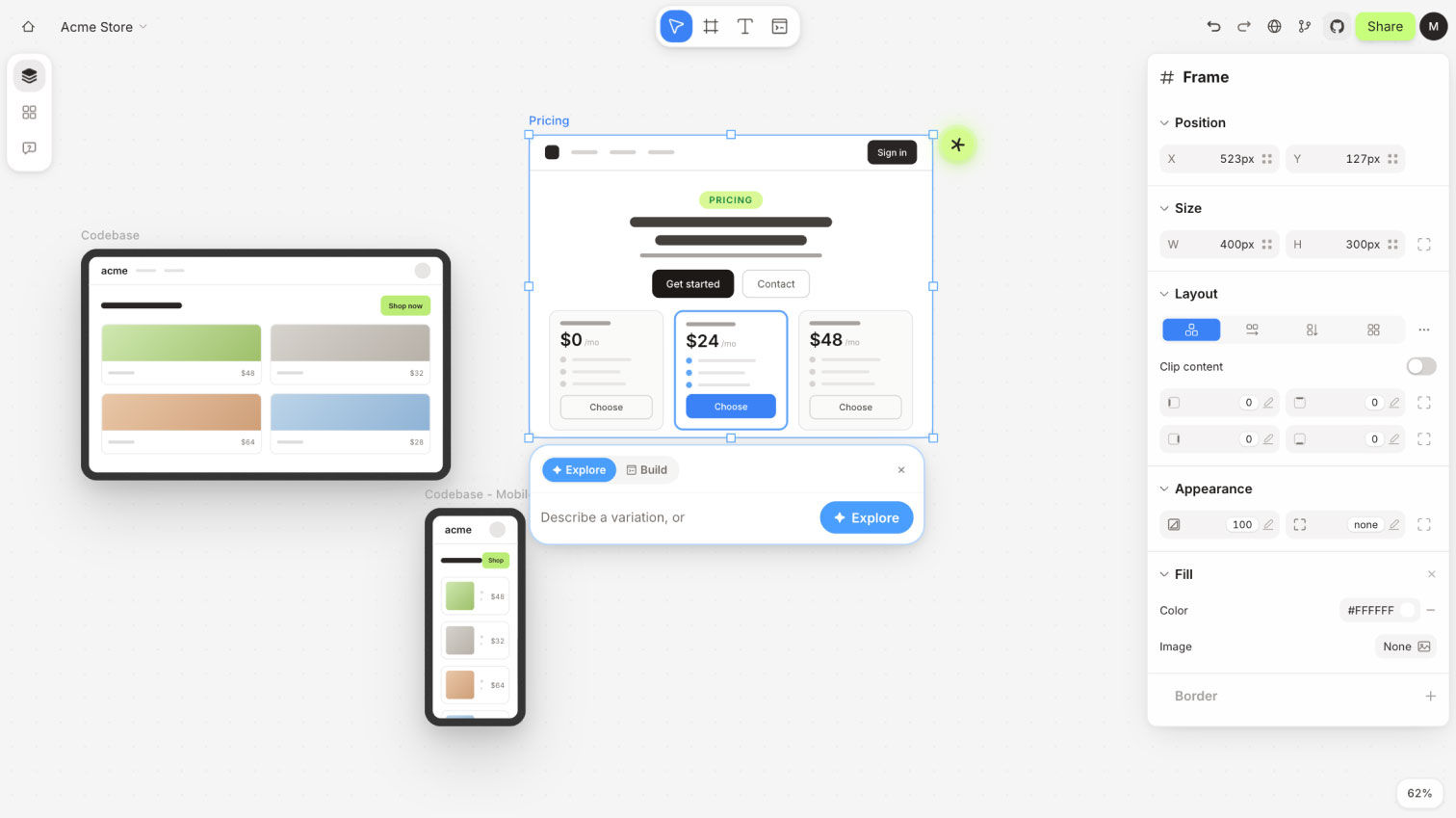
TOOOLS #25: Modeinspect, Brilliant, Hover, VibePrompts, Sliick
September 15, 2026— 2min read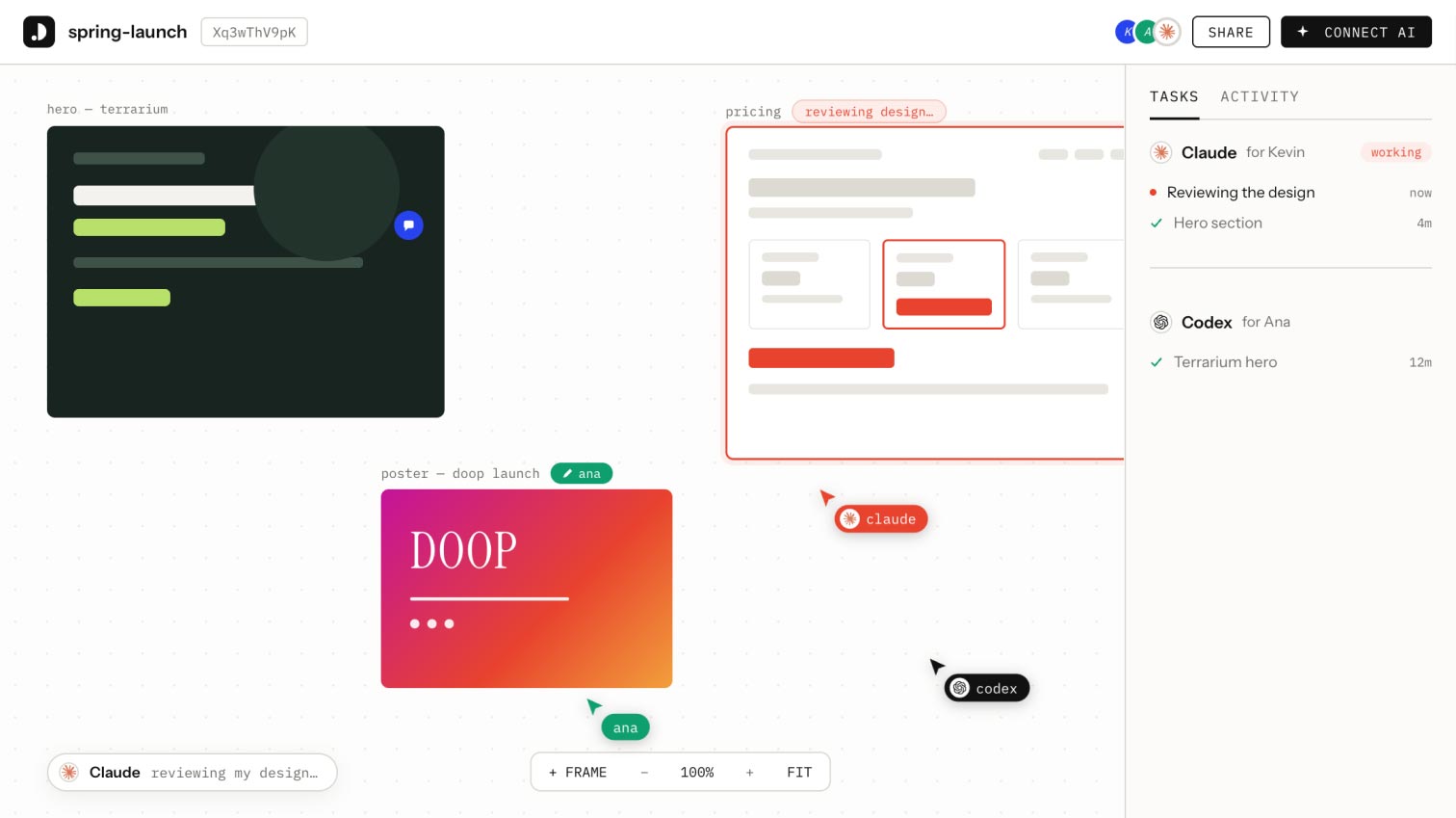
TOOOLS #24: Doop, Causal, Pryzm, Doodle Icons, Neurath X
September 8, 2026— 2min read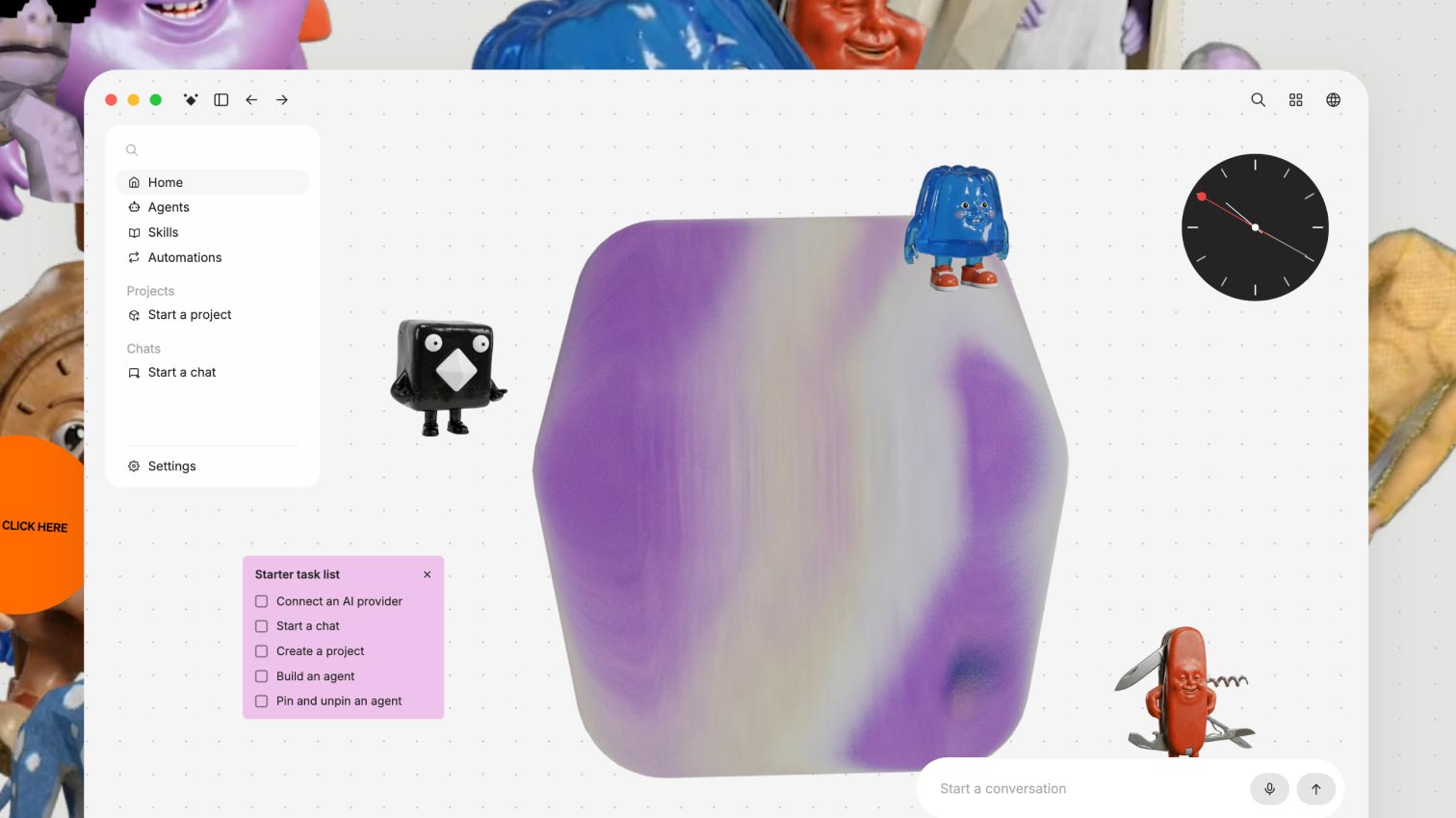
TOOOLS #22: Berd, Morphicons, Watermelon UI, Tegaki, Balsa UI
August 25, 2026— 2min read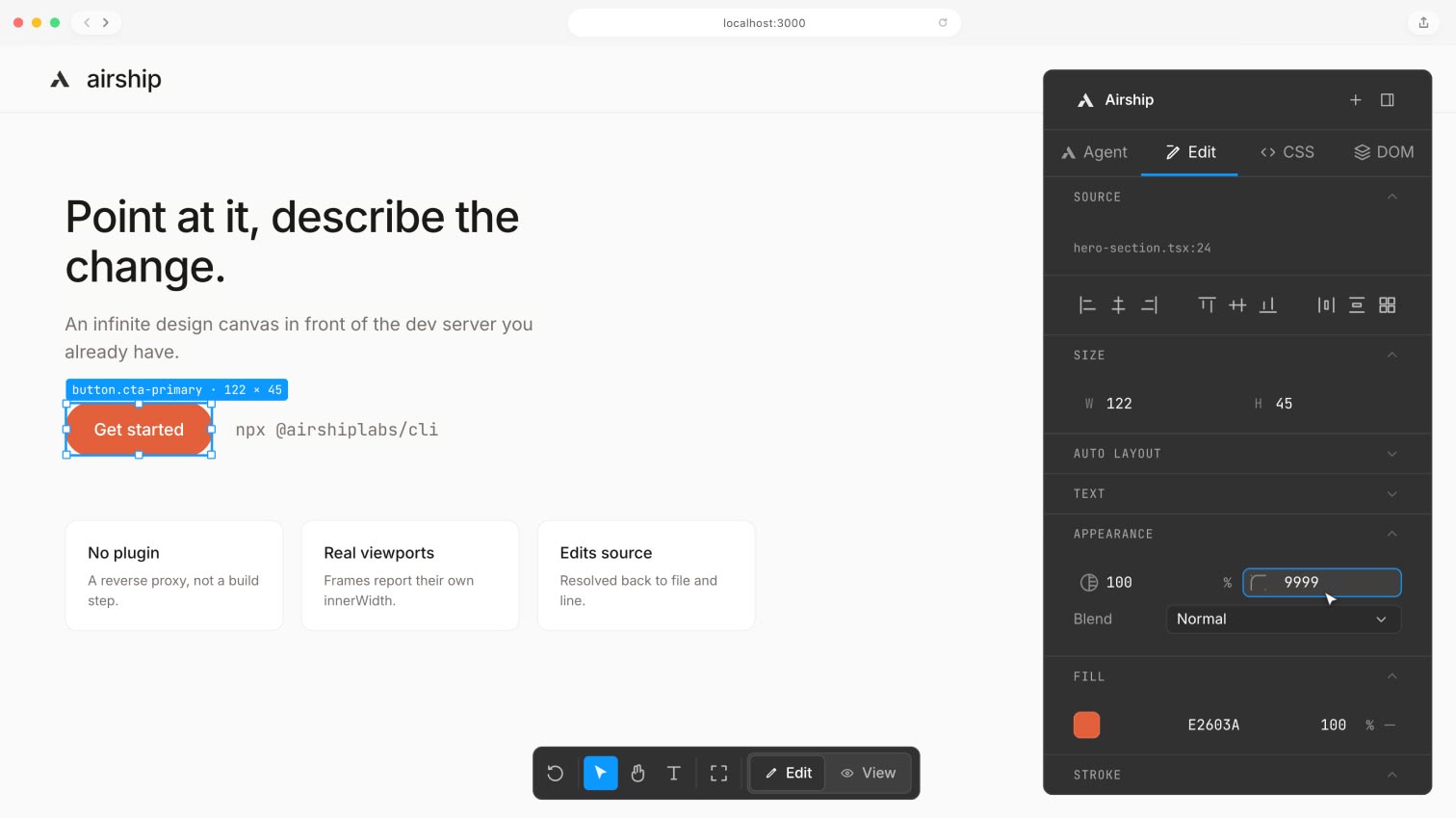
TOOOLS #21: Airship, Openmotion, Kitbitz, Muse, Gooey
August 18, 2026— 2min read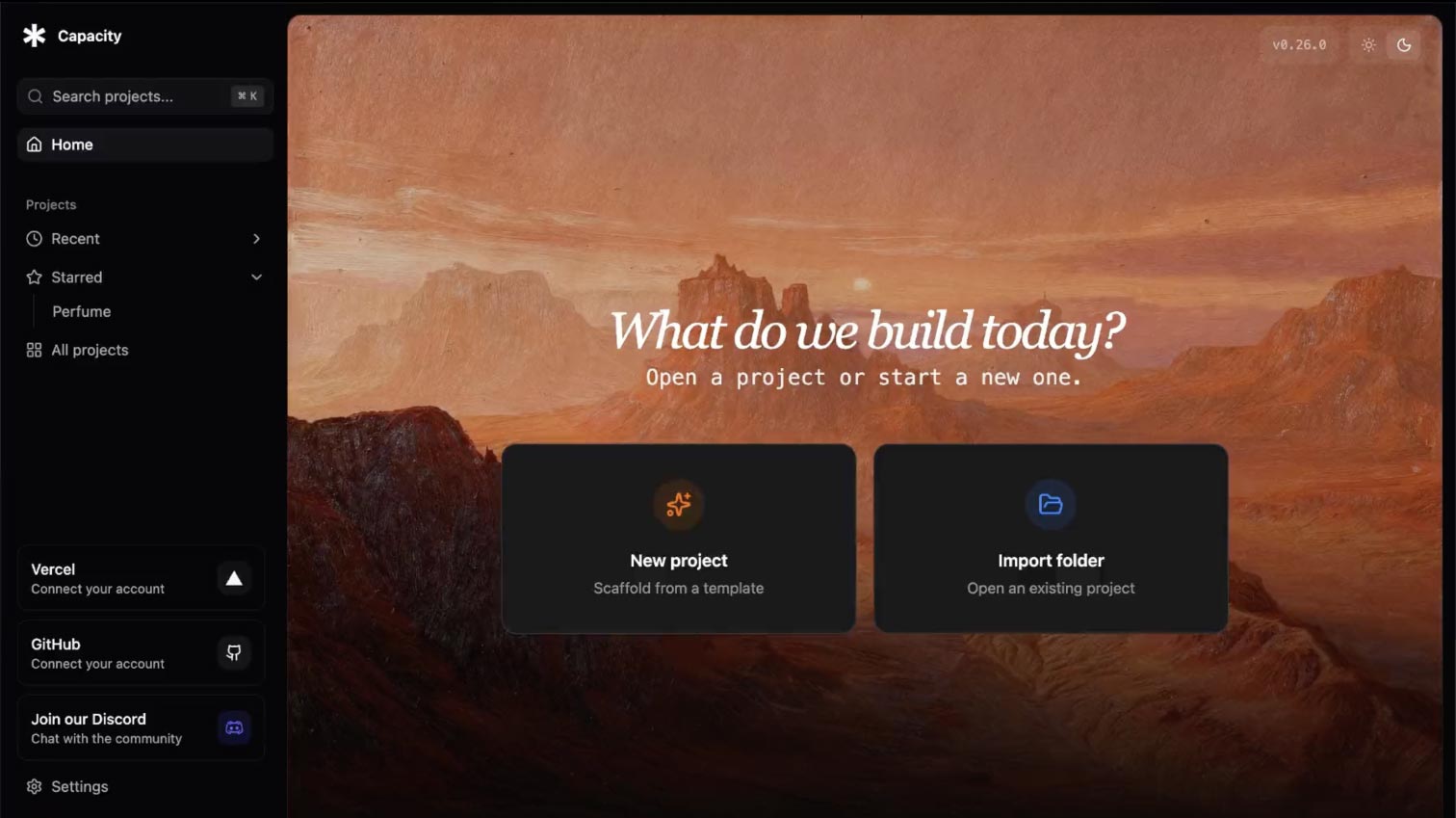
TOOOLS #20: Capacity Desktop, Design / AI Workflows, ShaderPad, Dither it, Remix
August 11, 2026— 2min read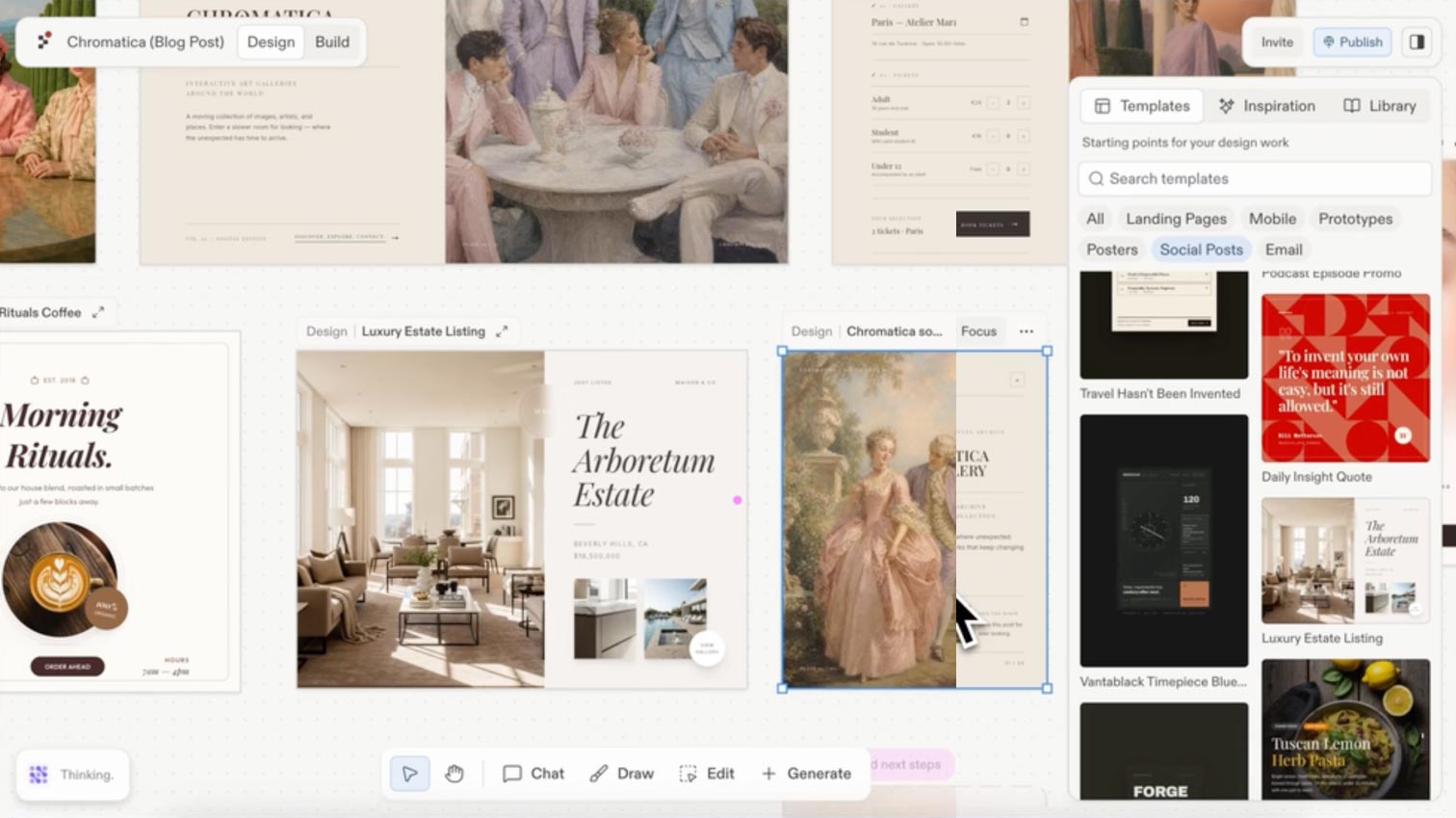
TOOOLS #19: Replit Design, Toolcraft, Modulify 2.0, Backyard Designers, ShieldFont
August 4, 2026— 2min read