— 2min read
🟣 TOOOLS #9: Figma Agent, AI in Design, Motion, Meditations, Just a Design List
|
|

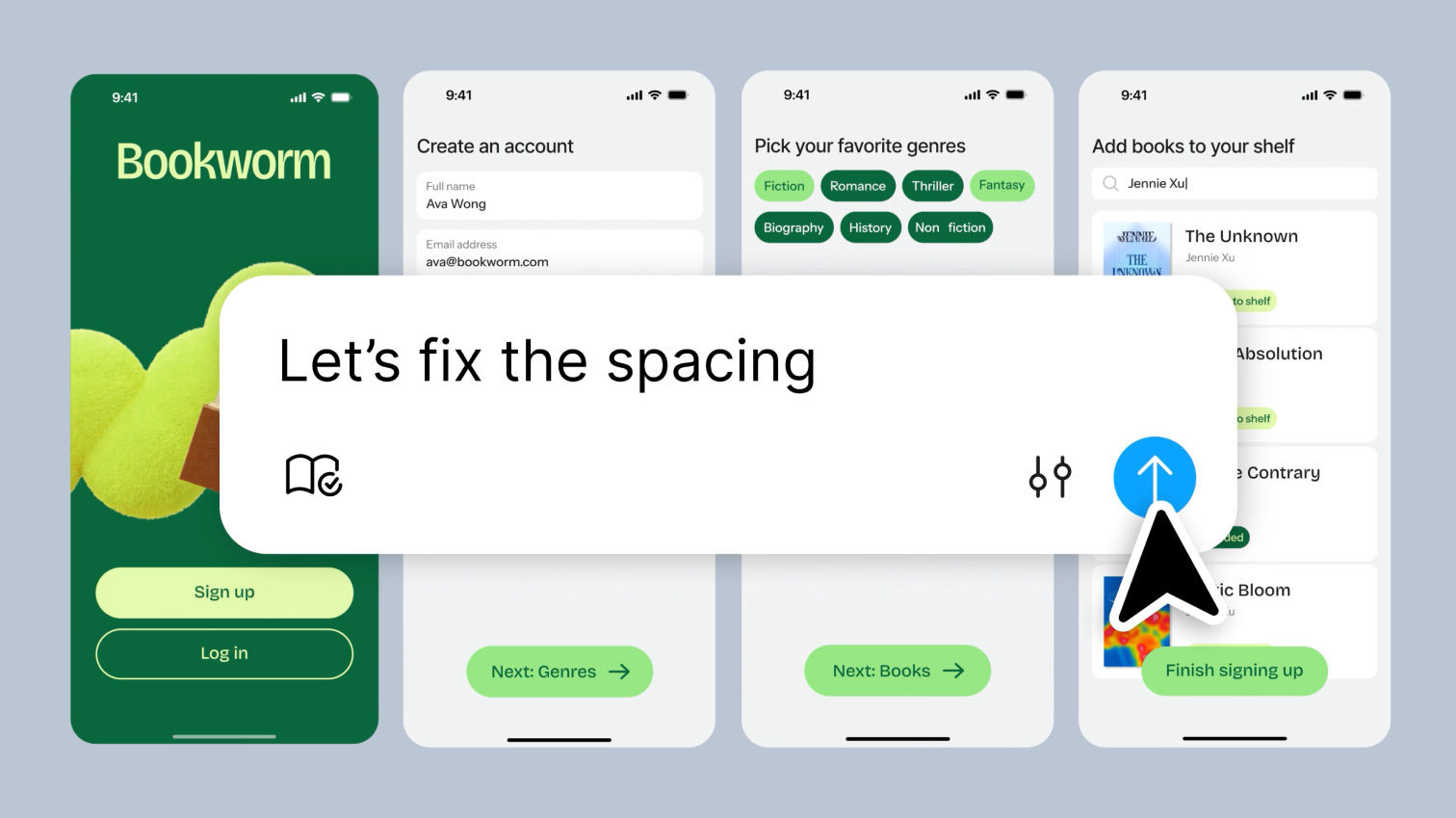 |
| Figma just put a native AI agent on the canvas. Drop a prompt and it can generate new designs, remix existing ones, or take the rote work off your hands, all while respecting the components and tokens already in your design system. Other agents bolt onto Figma from the outside, but this one was built by the team that knows the file inside out, which shows up in how cleanly it edits. |
|
|

 | The 2026 industry survey of 900+ designers, with hard numbers on AI tool adoption, what's actually working in real workflows, and where craft is heading. |
 | An AI motion graphics studio where you describe an animation in plain words and iterate on it in minutes, instead of starting from a blank After Effects timeline. |
 | A living archive of how artists work with color across time, mapping each one's chromatic fingerprint and the arc of a palette across a lifetime of work. |
 | A slow, hand-picked index of 900+ design studios and independent practices across 50+ countries, kept lean on purpose so the work stays the focus. |
|
|

|
|
|

| SLACK DESIGN 📖 ARTICLE Leading Design Through the AI Shift A grounded view from Slack's design team on what shifts in the day-to-day when AI stops being a tool you reach for and starts being a collaborator in the file. Useful for any designer trying to decide what to keep, what to let go, and how to hold onto craft as the work changes shape. |
| UX COLLECTIVE 📖 ARTICLE The case that the real design work in AI is not the chat box or the button, but the loop around it: who decides what, where trust gets built, and where work passes between human and AI. From a Google UX lead working on Gemini, Gmail, and Search, with a clear way to think about it. |
| MOZILLA.AI 📖 ARTICLE The Interface Is No Longer the Product Reframes a Figma file, a deck, or a doc as not the actual work, just one view of the decisions, narrative, or data underneath. Once AI agents can read and edit that underlying layer directly, the apps built around the old view start coming apart, design tools included. |
| EVERY 📖 ARTICLE Argues that the more work AI takes on, the more expert human work shows up to do, because AI flattens default output and creates fresh demand for what's different. Worth reading next to any 'AI replaces designers' headline. |
|
|

| Canva, Adobe, and CapCut land inside Gemini, turning the chat window into a creative studio |
| Google Workspace rolls out a gradient icon redesign across Gmail, Drive, Docs, and more |
| Runway launches Agent, going from a prompt to a finished, multi-scene video in a single chat |
| Google announces Gemini Omni, a native multimodal model that generates video from any input |
| Google Stitch adds real-time streaming design and multiplayer editing, free for everyone |
|
|

| A THOUGHT WORTH SITTING WITH "Every design tool ships with undo. AI products mostly do not." |
AI workflows generate, change, and act on things that are hard to take back. The patterns for undo, history, and a clean way back are wide open territory in AI design right now, and worth claiming before bad defaults harden into standards. |
More Newsletter Issues
All issues
TOOOLS #34: Firefly Design, Memorables, FaceTypes, AI Skills for UI, Gallereee
November 17, 2026— 2min read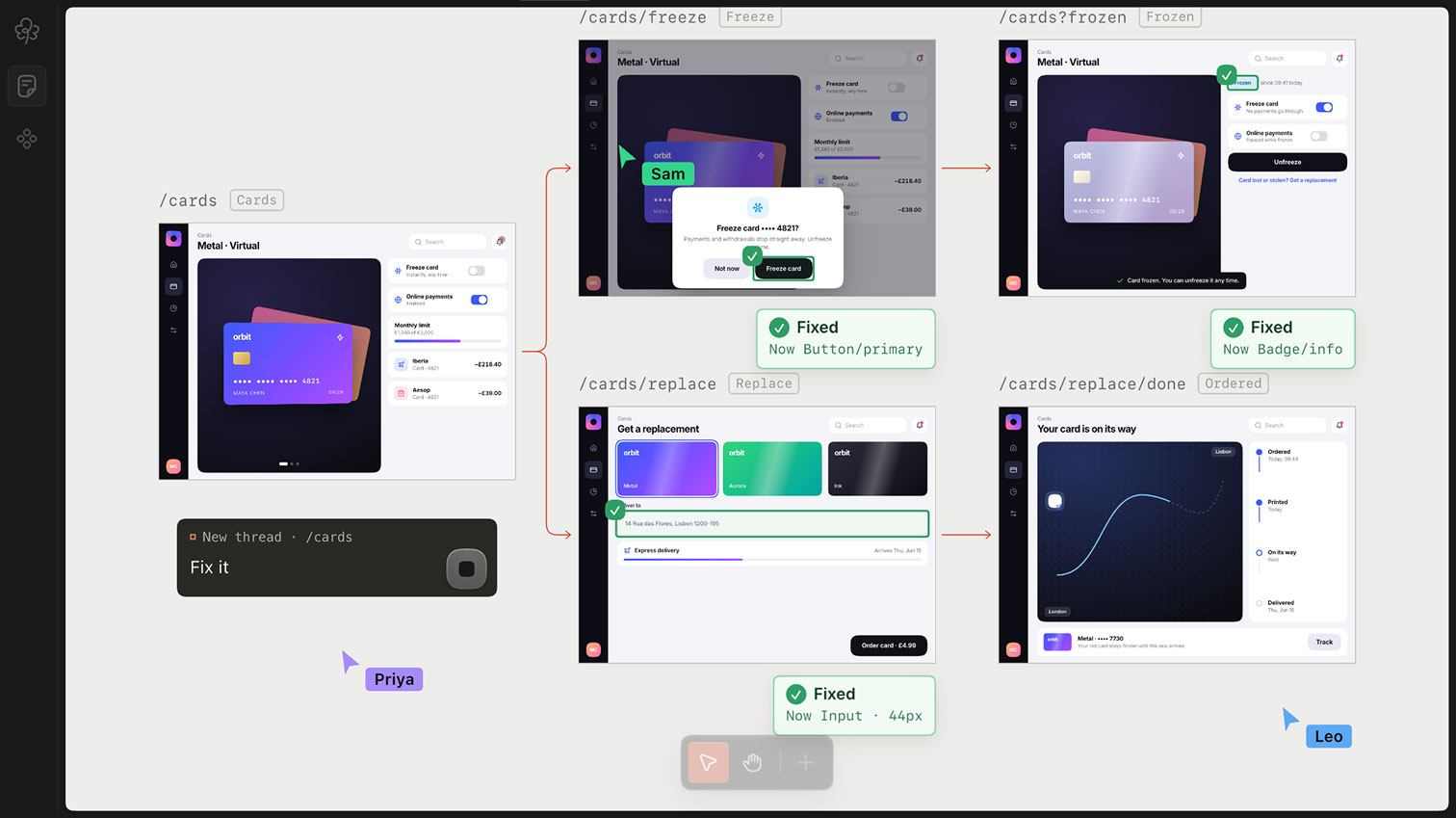
TOOOLS #33: Dessn, Inspora, Interface Lineage, IconMCP, Launchscene
November 10, 2026— 2min read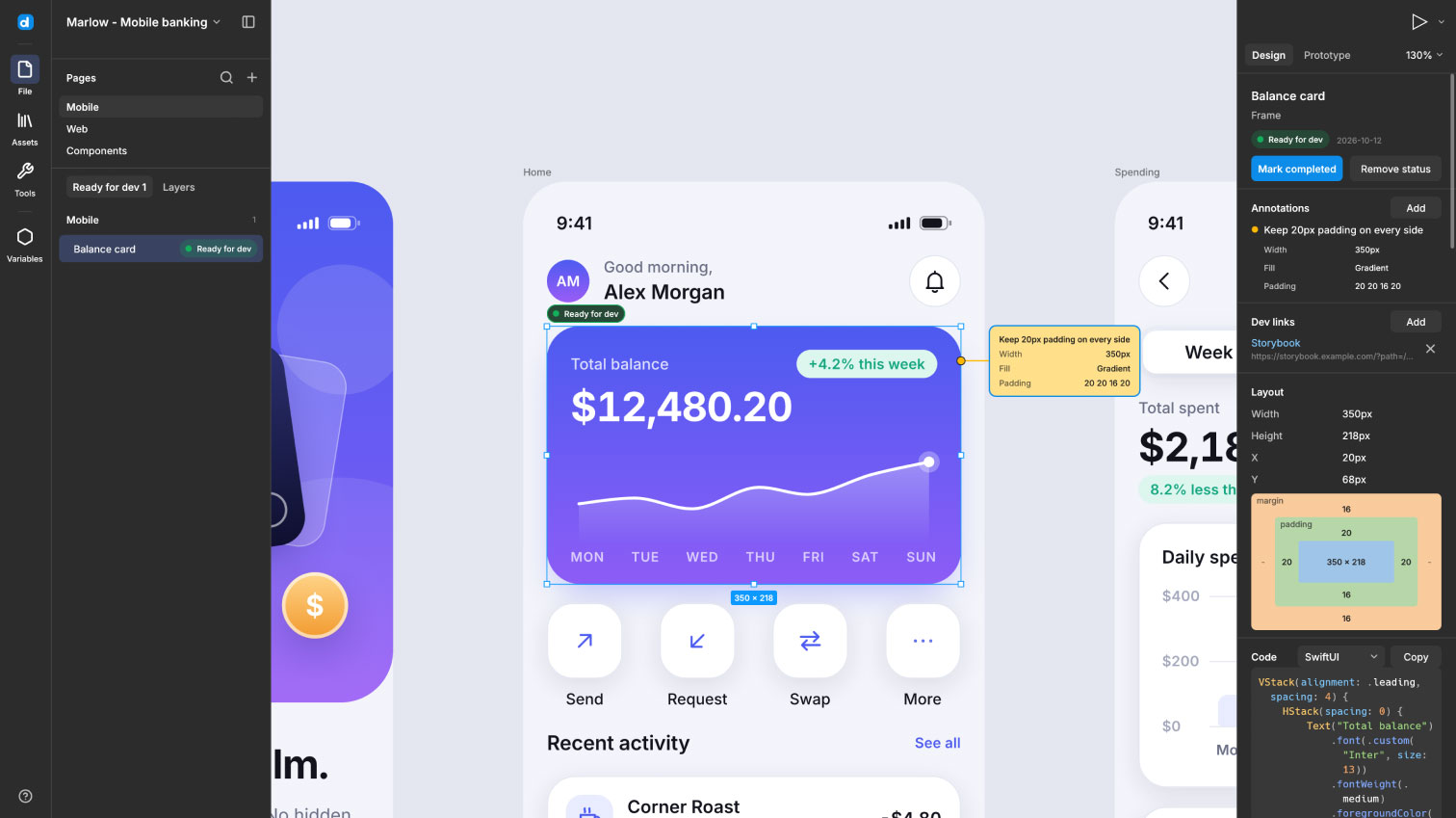
TOOOLS #32: Desigma, Pixlpin, Typebook, Stageshow, Blocks
November 3, 2026— 2min read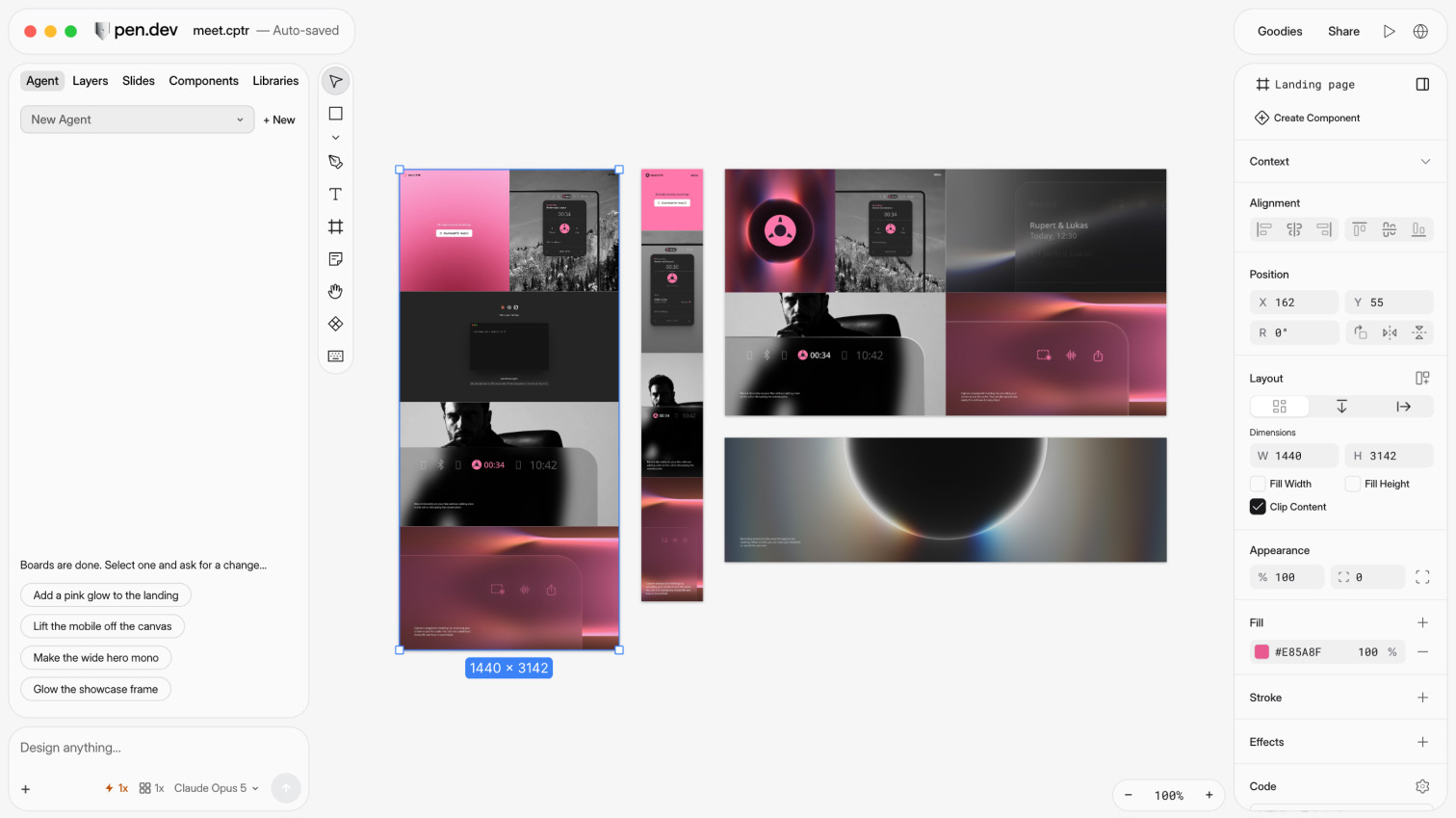
TOOOLS #31: Pen.dev, Design Details, Offgrid, Identik, Fontsight
October 27, 2026— 2min read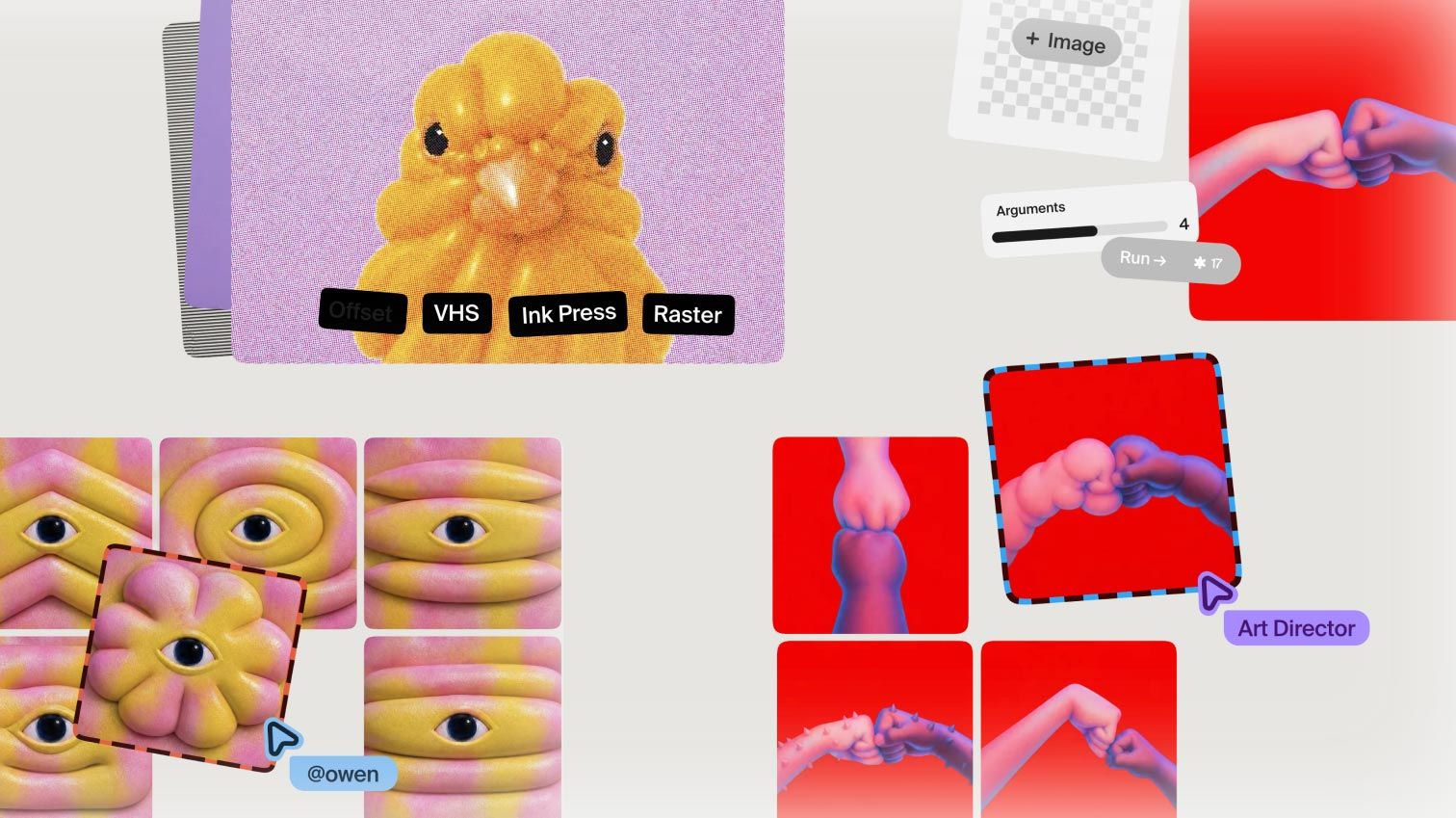
TOOOLS #30: Plnty, Ferio, MegaMegaTypeType, EditUI + TOOOLS 2.0 is live
October 20, 2026— 2min read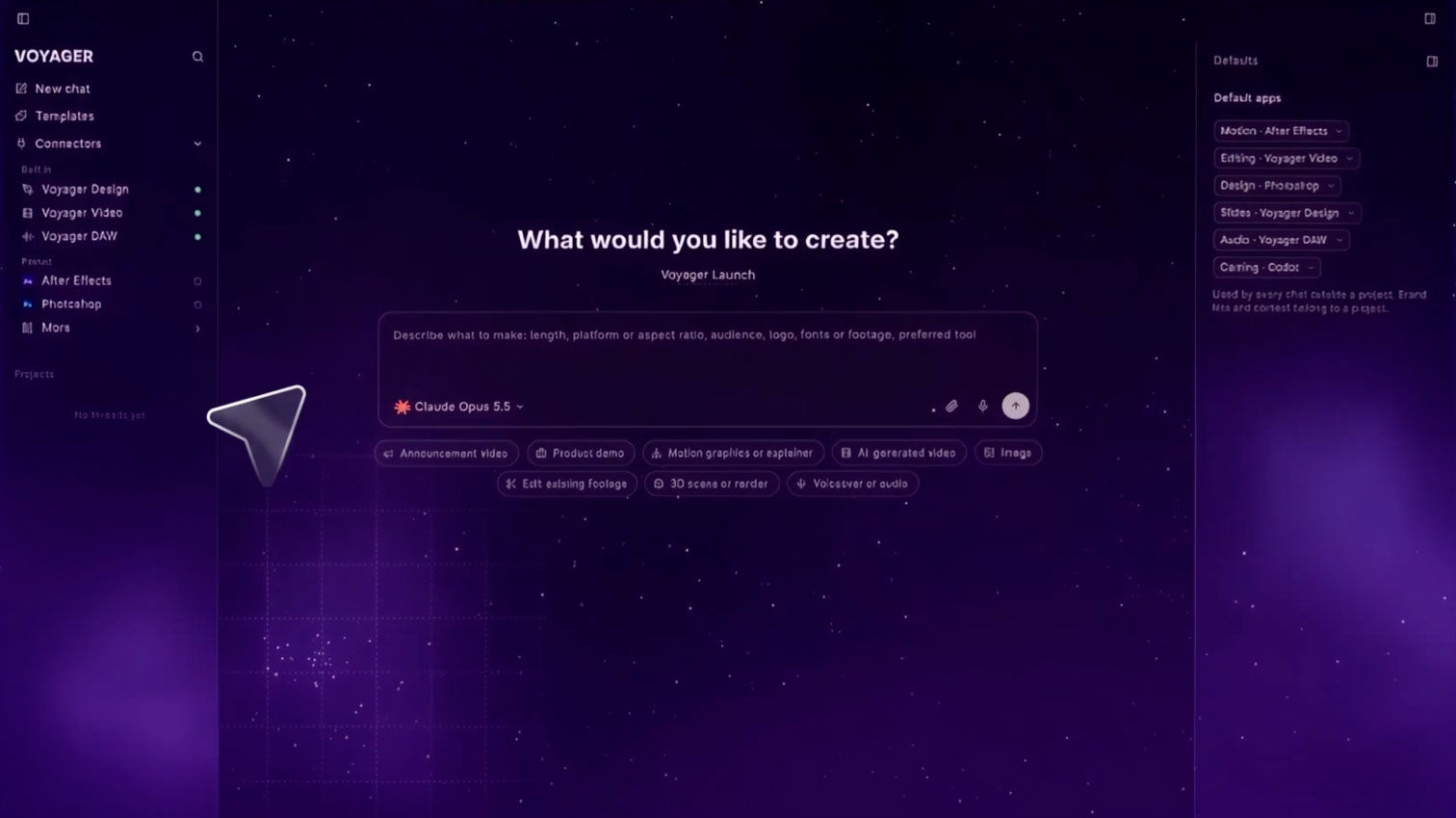
TOOOLS #29: Voyager, Energy Icons, Leadership Folios, Evil Buttons, Prompt Motion
October 13, 2026— 2min read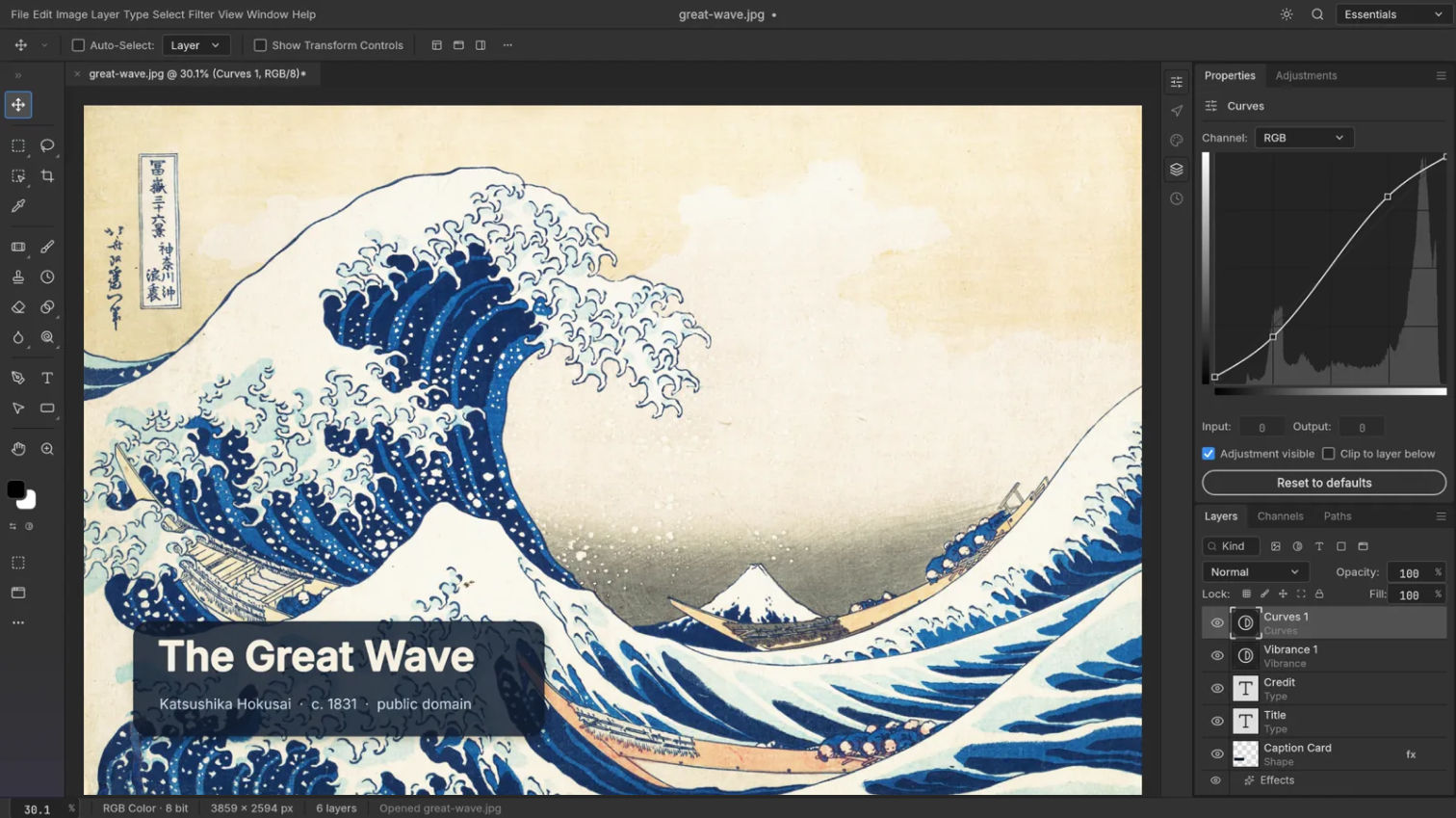
TOOOLS #28: PhotoCraft, Podie, Swash, Timeful, HyperFrames Studio
October 6, 2026— 2min read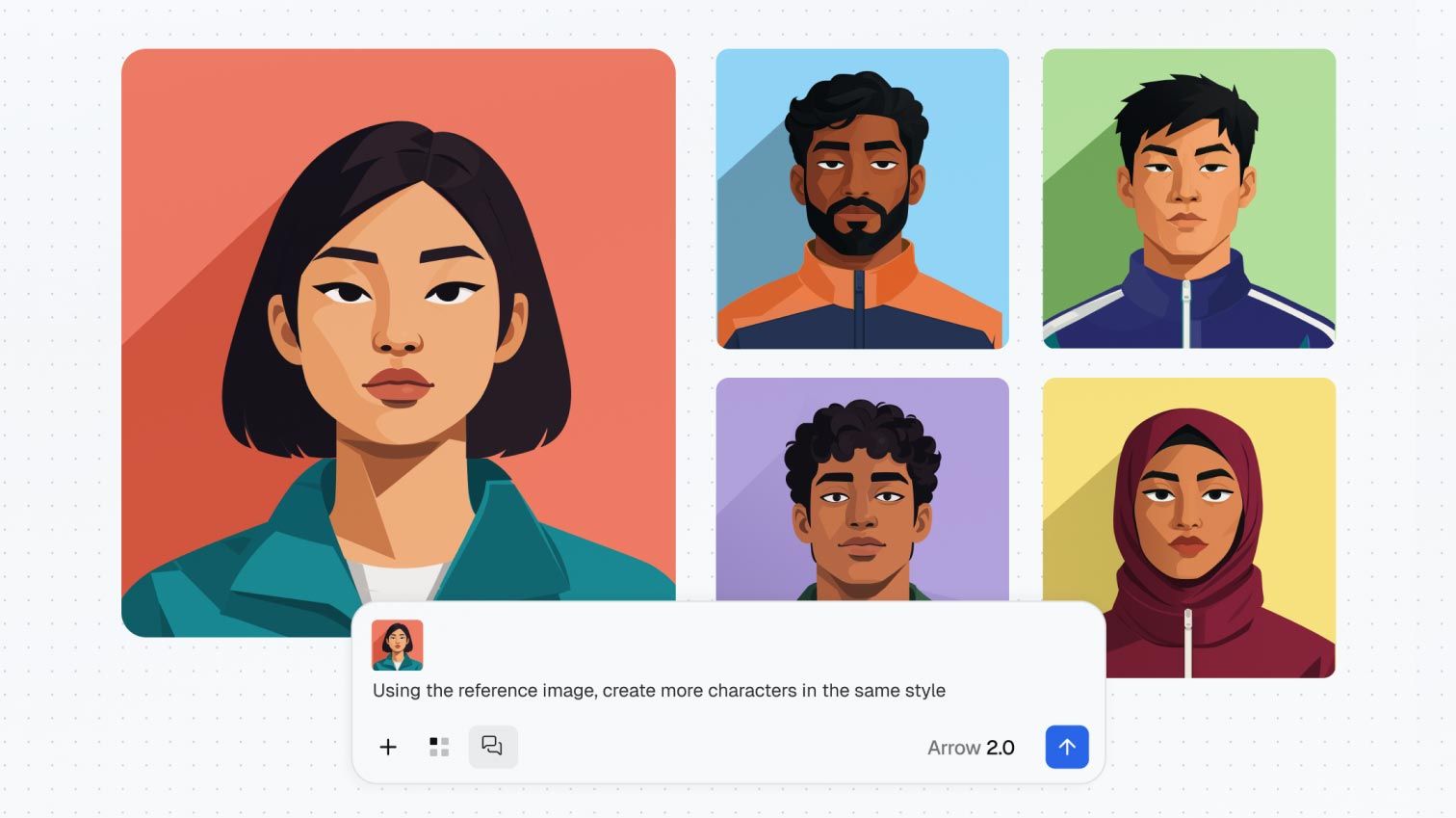
TOOOLS #27: QuiverAI, Designeer, Squints, Atlas, Lightmeter
September 29, 2026— 2min read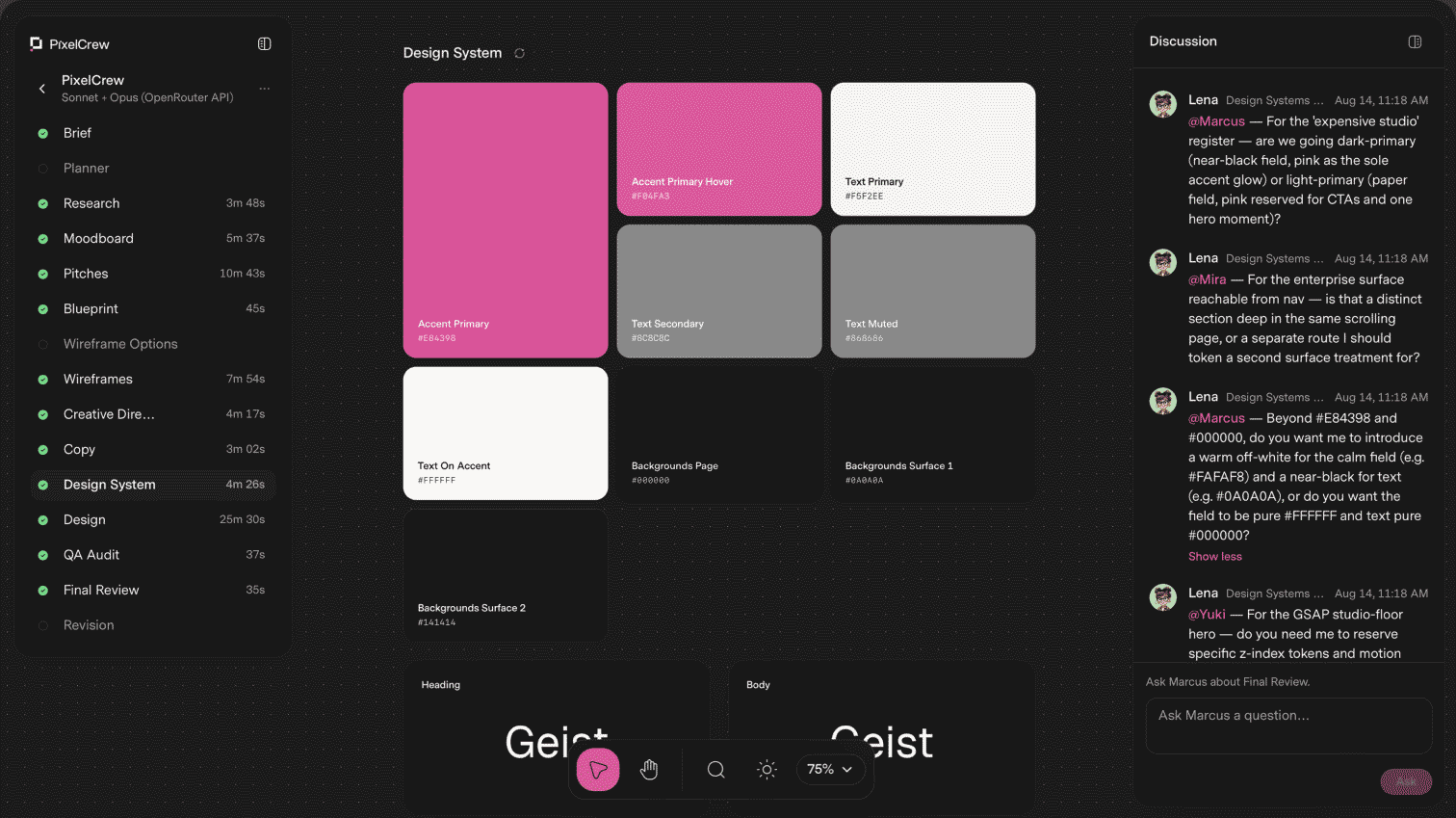
TOOOLS #26: PixelCrew, Bencho, Save.design, Powermove, libraries.dev
September 22, 2026— 2min read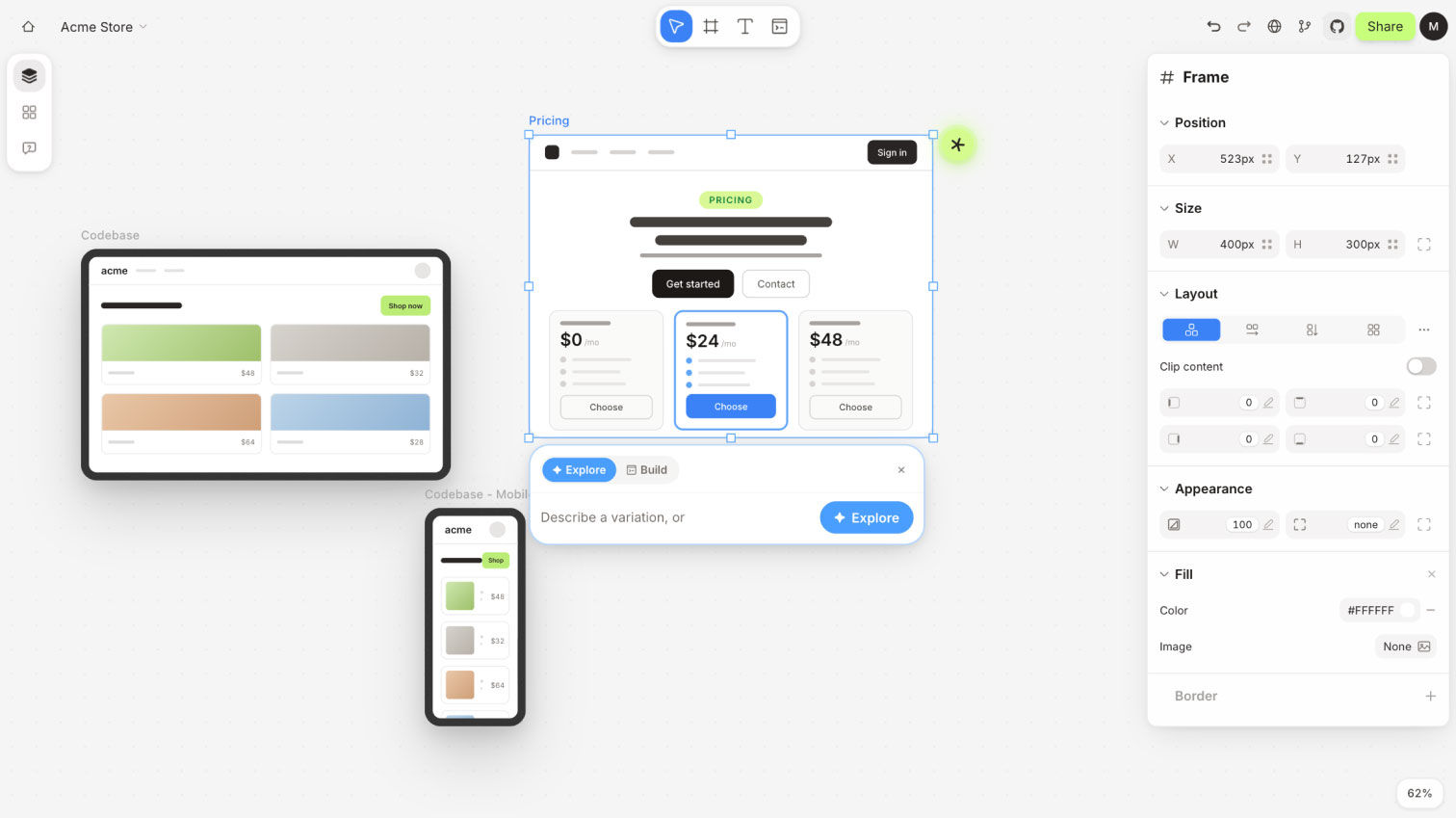
TOOOLS #25: Modeinspect, Brilliant, Hover, VibePrompts, Sliick
September 15, 2026— 2min read