— 2min read
🟣 TOOOLS #3: Luma Agents, Lunagraph, AI Interaction Atlas, Wiretext, Motn AI
|
|

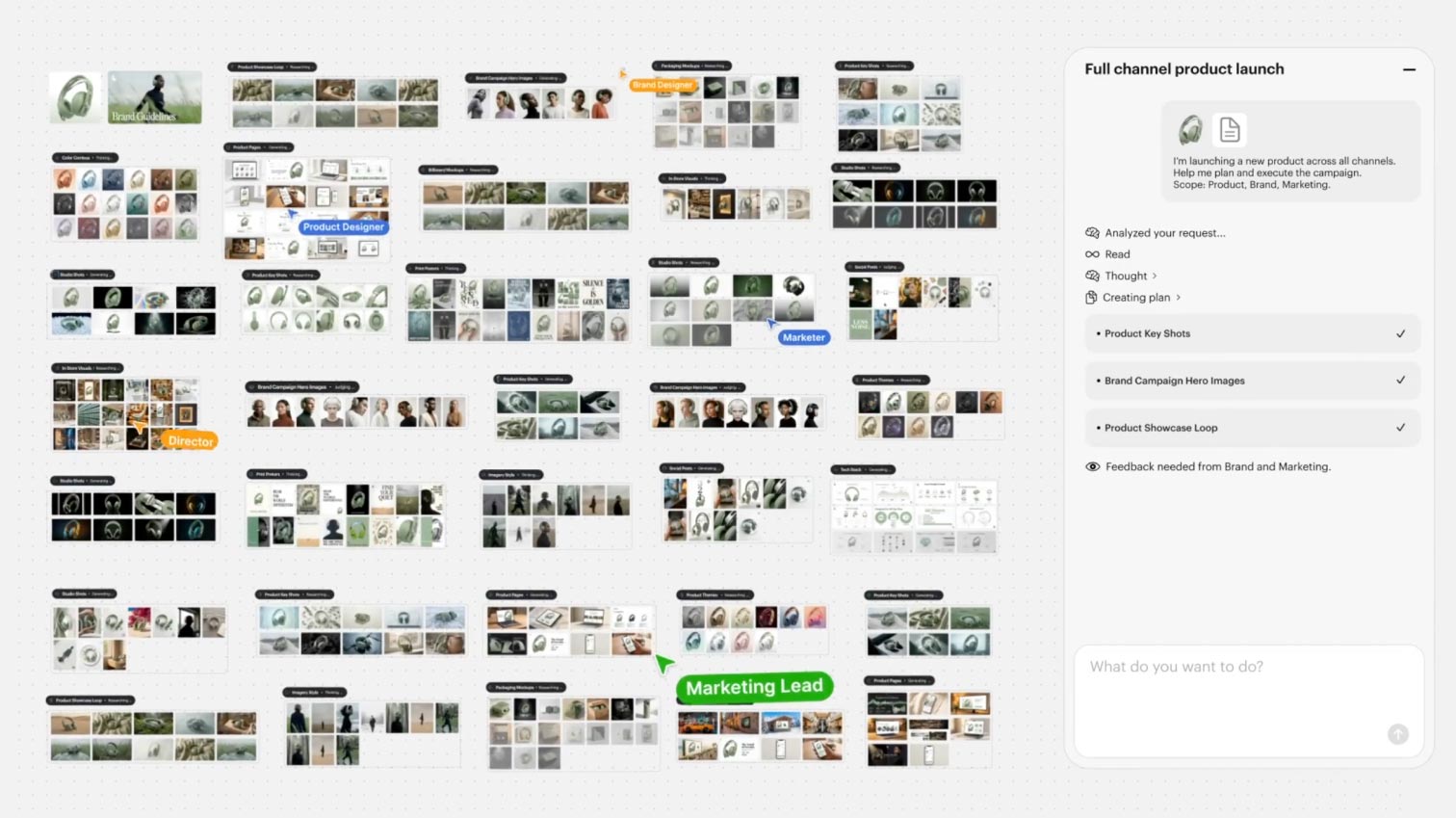 |
| Luma takes a single creative brief and runs with it, producing images, video, and audio as a coherent whole instead of isolated assets. Each agent plans, generates, and refines with full context, so you stay on the creative direction while the tool handles the busywork of jumping between models. A real shift from making one asset at a time to shaping entire campaigns with a team of collaborators. |
|
|

 | A design canvas where what you design becomes the live website, with an AI assistant built in to help you iterate faster. |
 | A canvas for motion graphics where you describe the animation and keep editing it afterward, no timeline or keyframes required. |
 | A spatial design tool where everything renders as Unicode box-drawing characters. Create wireframes, diagrams, and mockups. Share as text. |
 | An open-source reference of 100+ UX patterns, visual examples, and reusable components for designing AI experiences. |
|
|

|
|
|

| FIGMA BLOG 📖 ARTICLE Turning Prompts into Five Scalable Workflows with Figma Weave A practical guide from the Figma Weave team showing five repeatable workflows: turning sketches into polished visuals, generating variations from a single reference, and more. The kind of structured approach that makes AI tools useful beyond one-off experiments. |
| UX COLLECTIVE 📖 ARTICLE Vibe Coding Is Accelerating the Erosion of Design Authority Michael Buckley argues that "vibe coding" produces convincing fragments, not maintainable systems. A sharp take on why the gap between a polished demo and a shippable product has not actually collapsed. |
| NN/G 📖 ARTICLE AI Agents as Users: Designing for Non-Human Personas Nielsen Norman Group explores the emerging challenge of designing interfaces that serve both humans and AI agents. When agents parse screenshots instead of structured data, most current design assumptions break down. |
| UX COLLECTIVE 📖 ARTICLE Agentic AI, Design Systems & Figma: A Practical Guide Christine Vallaure shows how well-structured design systems become the foundation for agentic AI workflows. When semantic tokens and component props are clean, agents can compose new UI without a design file. |
|
|

| Figma launches ready-made Weave workflow templates on the Community |
| Adobe Firefly adds Precision Flow and AI Markup for fine-grained control over AI image edits |
| Nicely Done ships an MCP server giving AI coding agents access to 219,000+ real app screens |
| Noon raises $44M to eliminate the gap between design and code |
| Why Anthropic won't release its new Claude Mythos AI model to the public |
|
|

| FOOD FOR THOUGHT "The best creative work will always start with a question, not a prompt." |
AI tools can generate a thousand variations in seconds. But the designer who stops to ask 'what problem are we actually solving?' will always outperform the one who jumps straight to generating. Speed without intent is just noise. |
More Newsletter Issues
All issues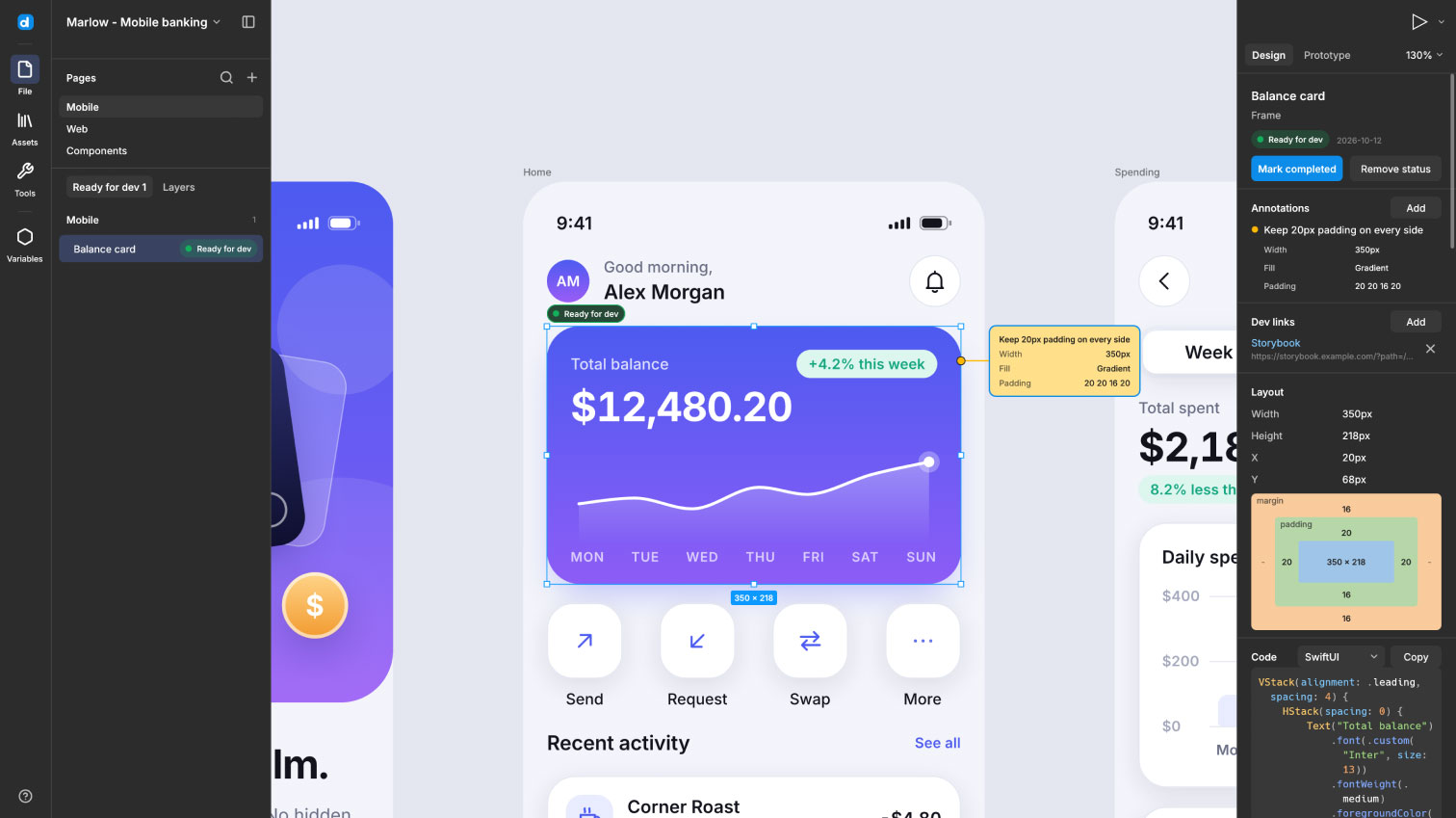
TOOOLS #32: Desigma, Pixlpin, Typebook, Stageshow, Blocks
November 3, 2026— 2min read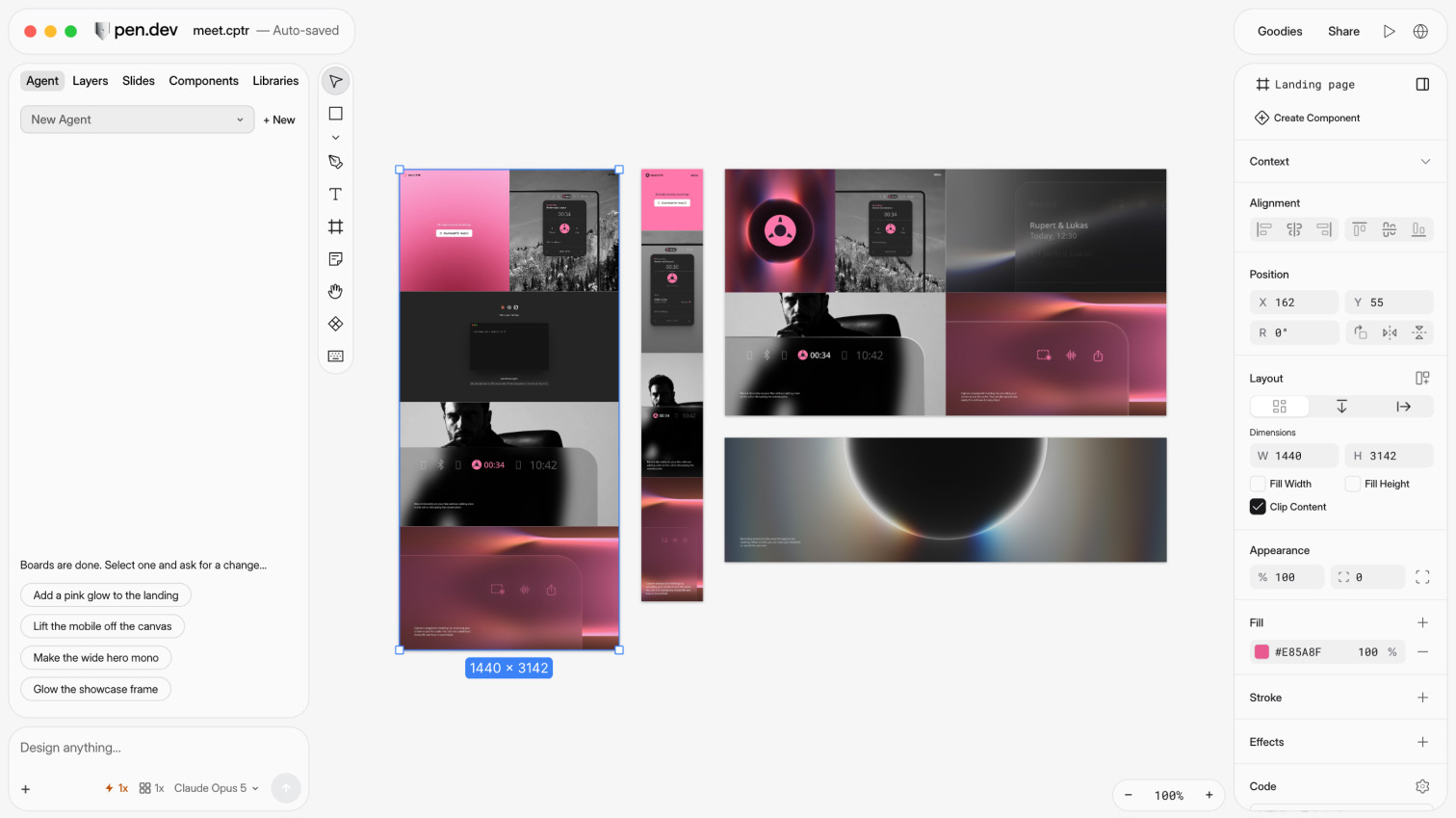
TOOOLS #31: Pen.dev, Design Details, Offgrid, Identik, Fontsight
October 27, 2026— 2min read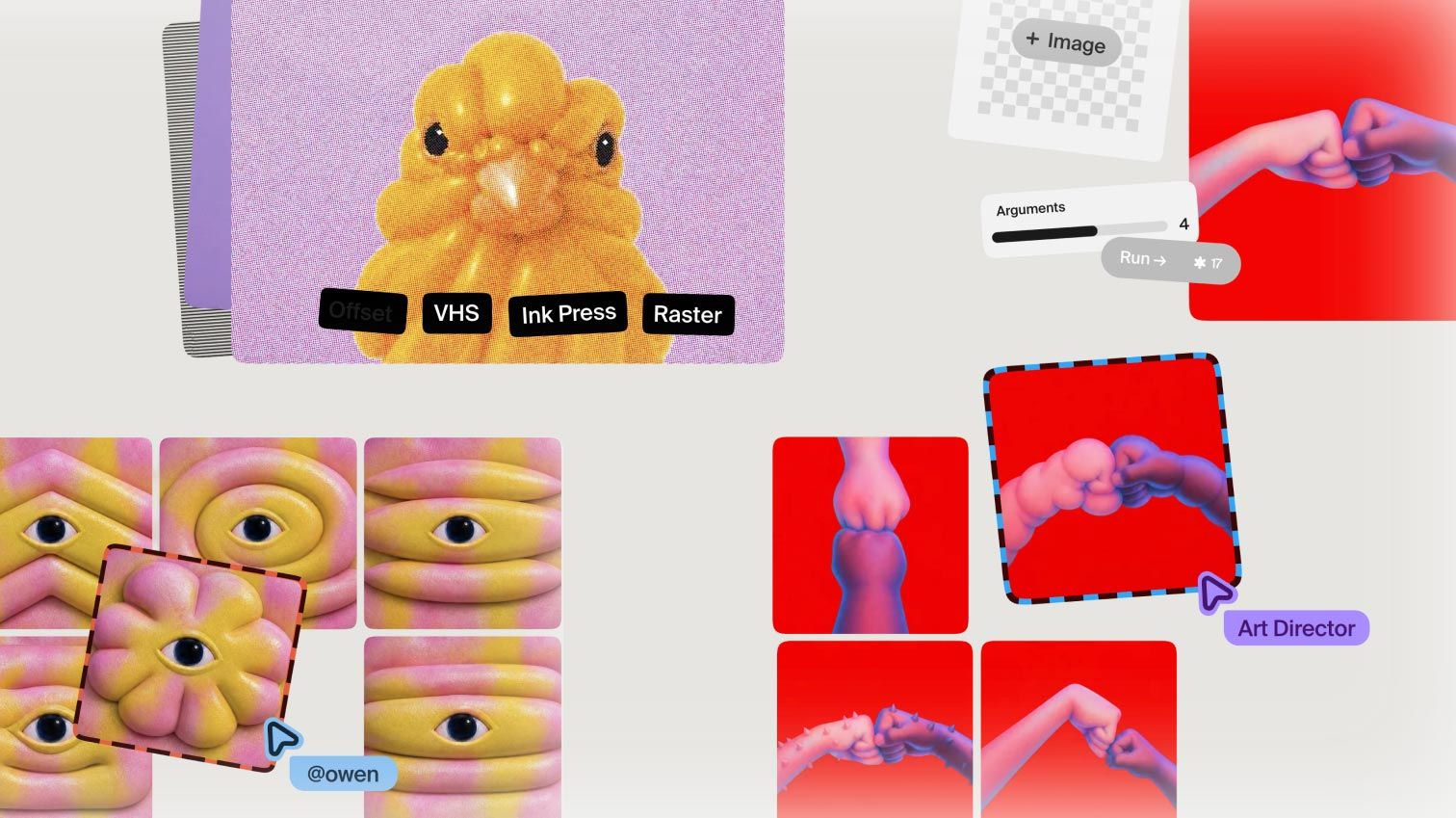
TOOOLS #30: Plnty, Ferio, MegaMegaTypeType, EditUI + TOOOLS 2.0 is live
October 20, 2026— 2min read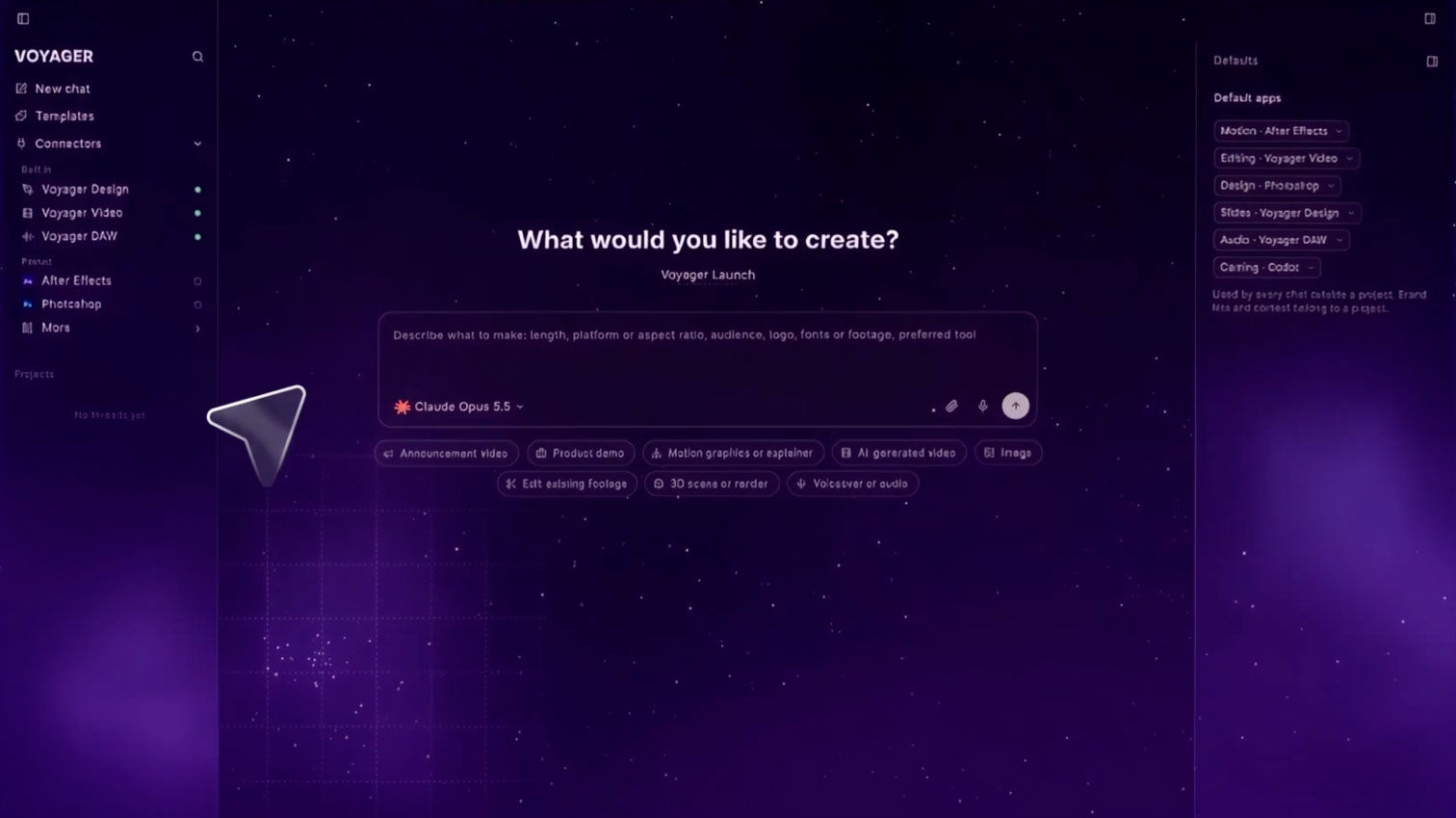
TOOOLS #29: Voyager, Energy Icons, Leadership Folios, Evil Buttons, Prompt Motion
October 13, 2026— 2min read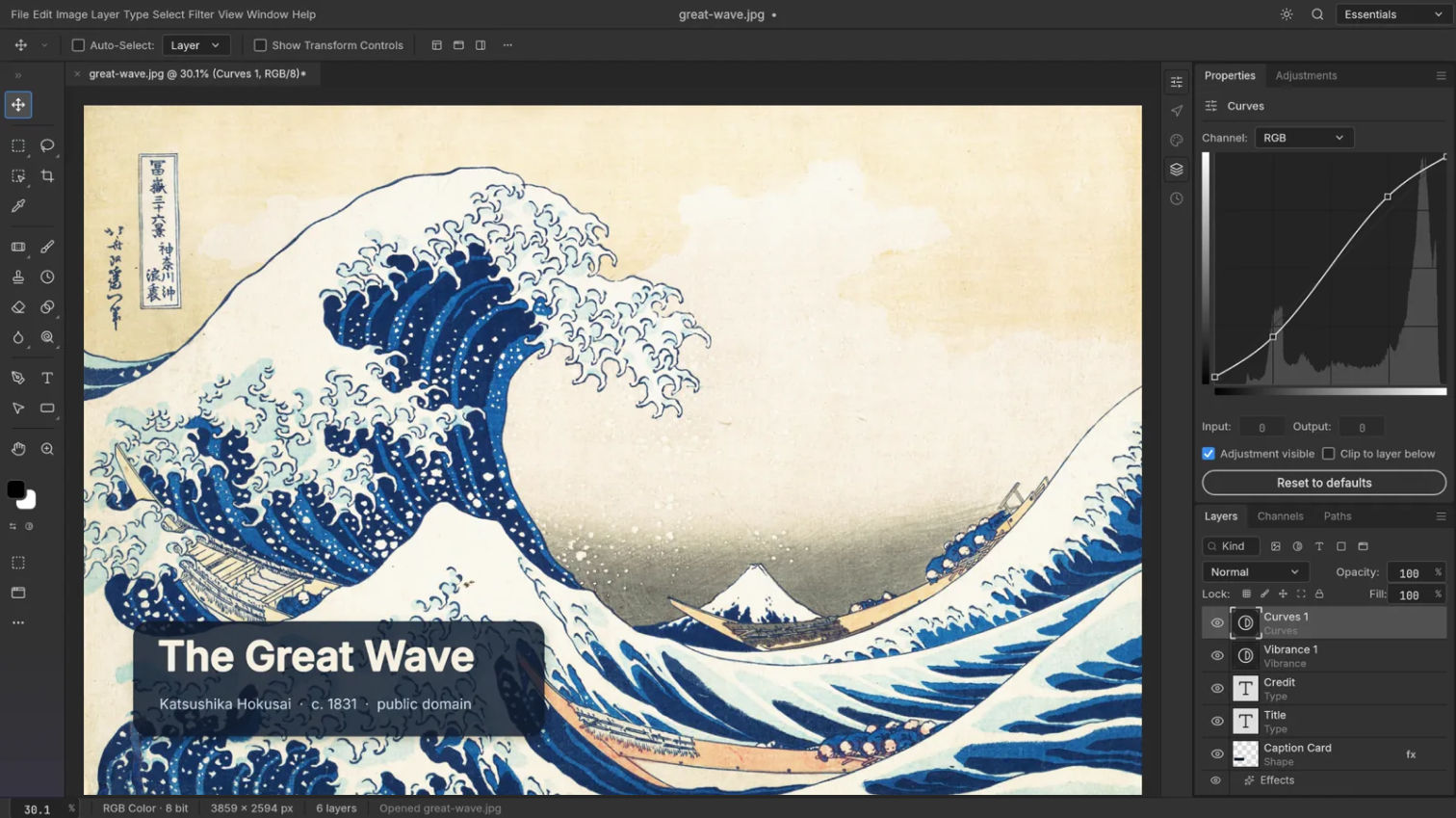
TOOOLS #28: PhotoCraft, Podie, Swash, Timeful, HyperFrames Studio
October 6, 2026— 2min read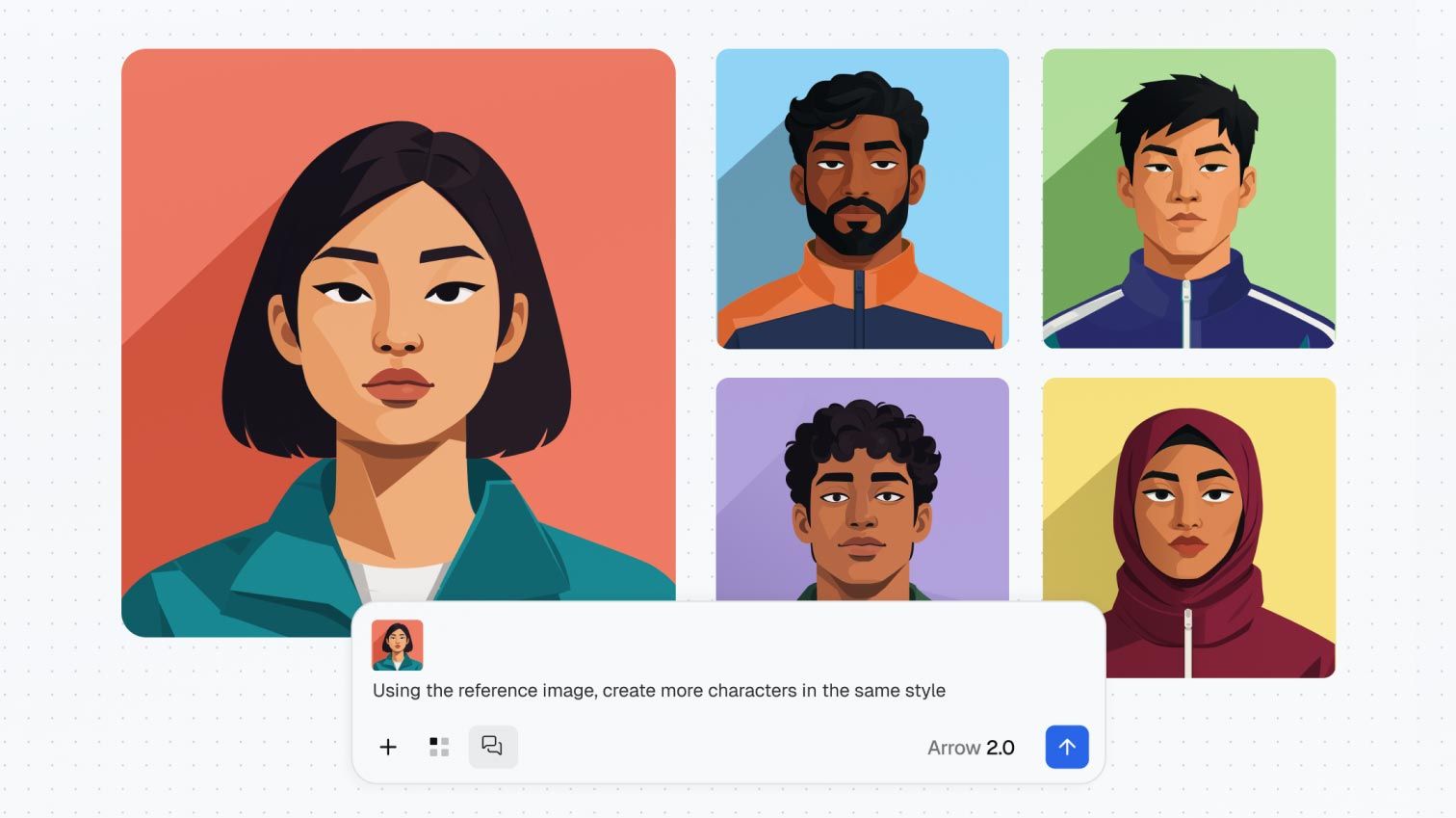
TOOOLS #27: QuiverAI, Designeer, Squints, Atlas, Lightmeter
September 29, 2026— 2min read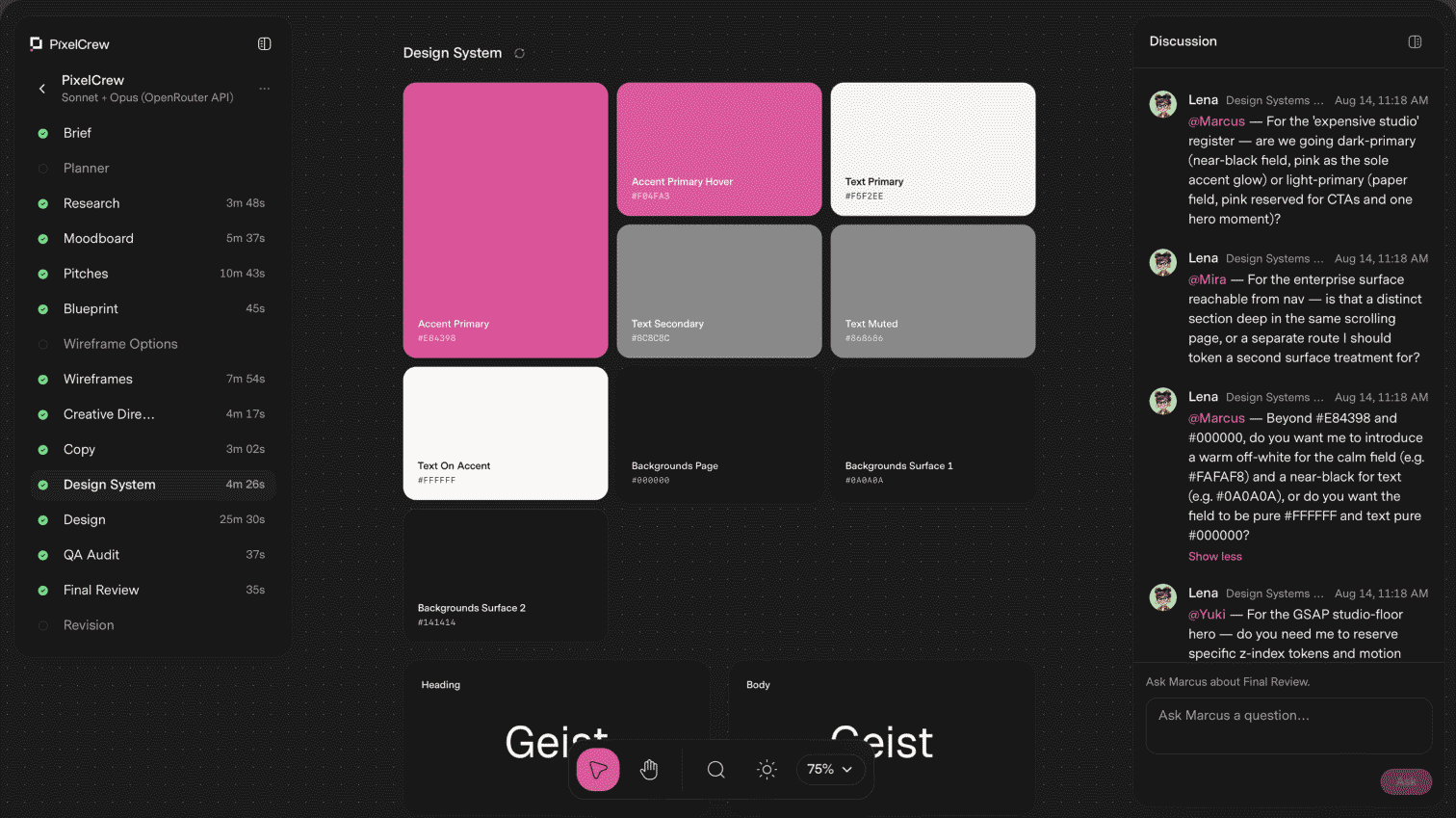
TOOOLS #26: PixelCrew, Bencho, Save.design, Powermove, libraries.dev
September 22, 2026— 2min read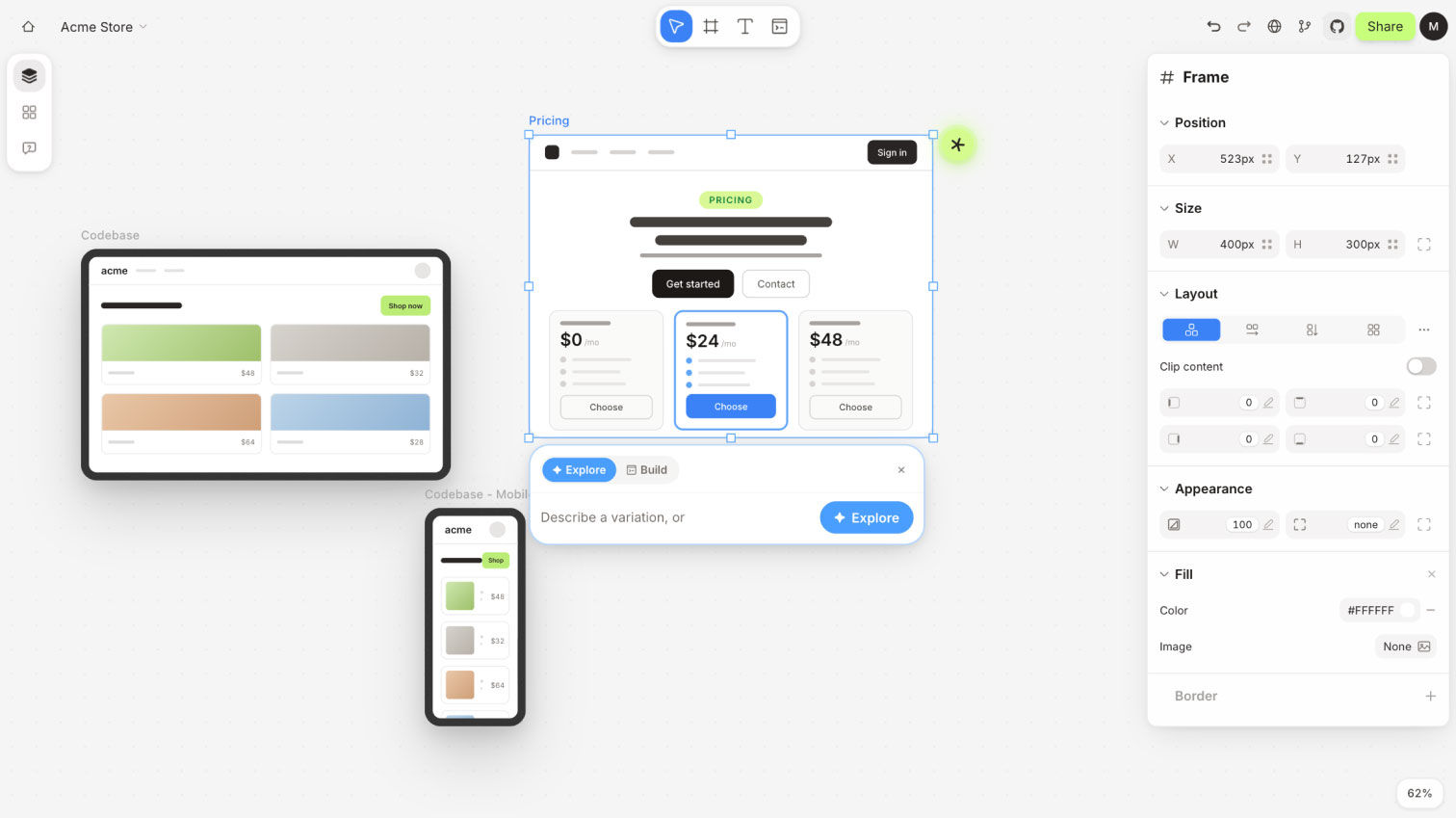
TOOOLS #25: Modeinspect, Brilliant, Hover, VibePrompts, Sliick
September 15, 2026— 2min read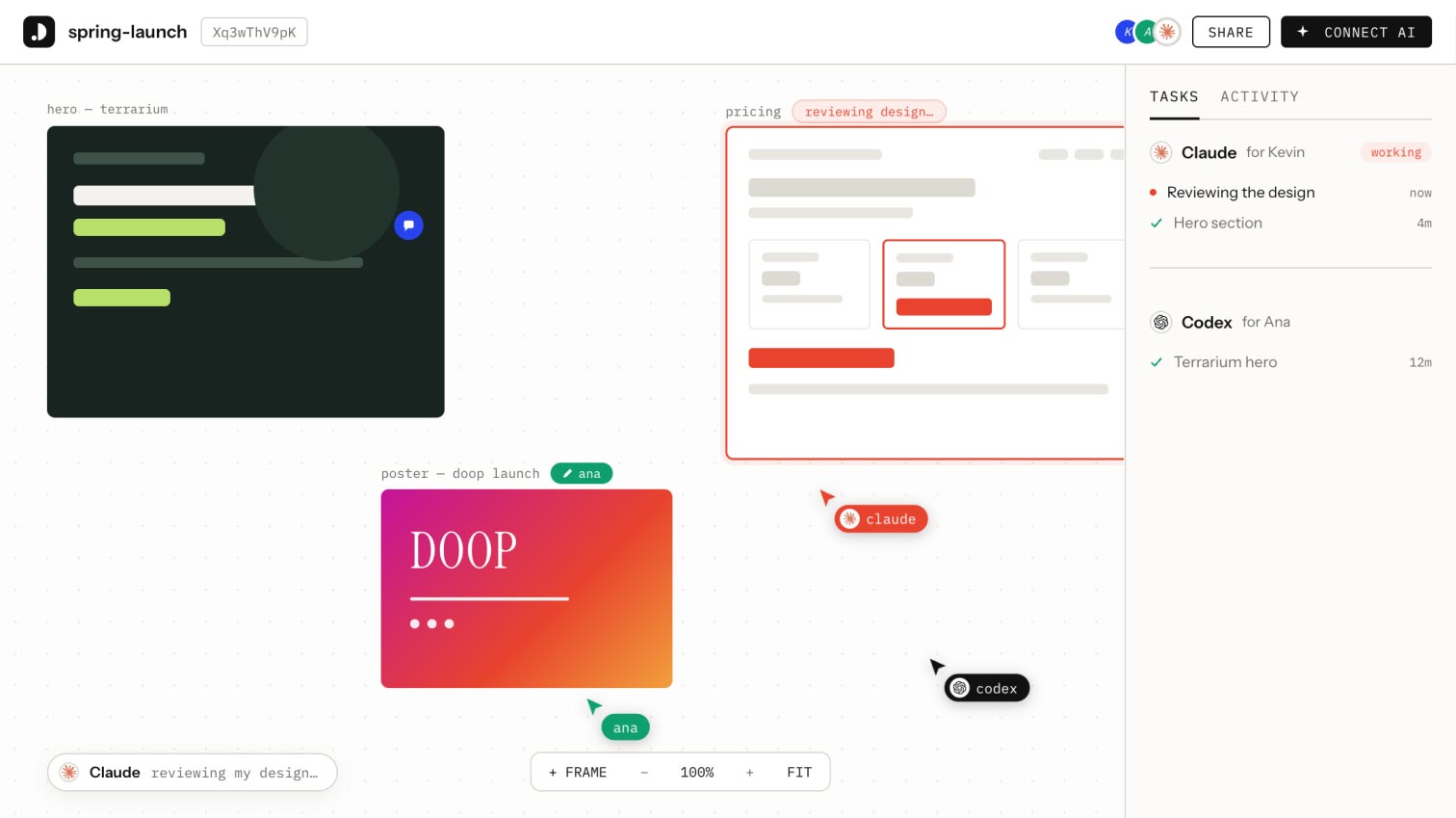
TOOOLS #24: Doop, Causal, Pryzm, Doodle Icons, Neurath X
September 8, 2026— 2min read
TOOOLS #23: Zoah, Book of Shapes, Beautiful UI, All In Frame, vgpu
September 1, 2026— 2min read